
You have not yet added any article to your bookmarks!
Join 10k+ people to get notified about new posts, news and tips.
Do not worry we don't spam!
Post by : Shakul
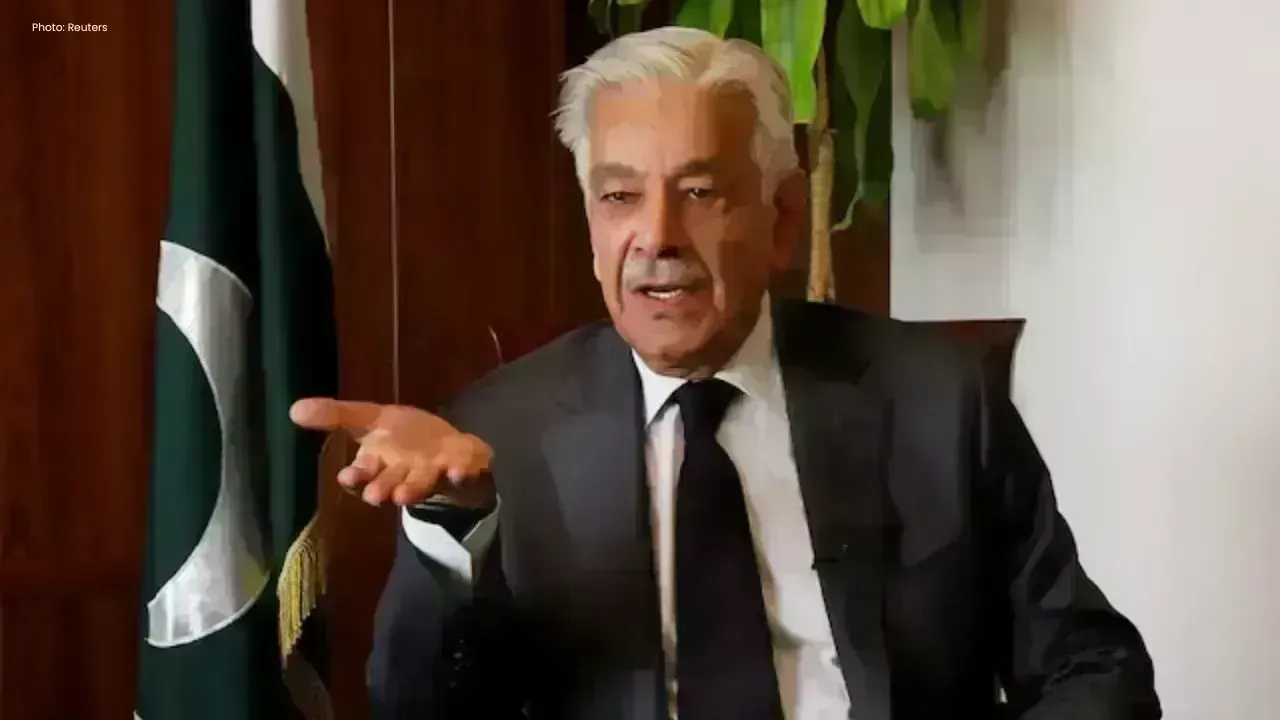
Khawaja Asif, Pakistan’s Defence Minister, has publicly stated that he is not in favor of Abraham Accords, signaling Islamabad’s continued reluctance to normalize diplomatic relations with Israel. His remarks came amid renewed international discussions surrounding Middle East diplomacy and ongoing negotiations involving Iran and the United States.
Speaking during a media interaction in Islamabad, Khawaja Asif said he personally does not believe Pakistan should join any agreement that conflicts with the country’s “fundamental ideologies.” His comments quickly drew attention across political and diplomatic circles because of increasing international pressure linked to regional peace efforts and strategic alliances in the Middle East.
The statement followed recent remarks by Donald Trump, who suggested that countries participating in talks related to Iran should also consider joining the Abraham Accords. The agreements were originally introduced during Trump’s earlier presidency as a framework to normalize diplomatic, economic, and security relations between Israel and several Arab nations.
Pakistan has historically maintained that any recognition of Israel must be connected to a just resolution of the Palestinian issue and the establishment of an independent Palestinian state. Political analysts believe Khawaja Asif’s comments reflect Islamabad’s longstanding diplomatic position and domestic political sensitivities regarding relations with Israel.
The Abraham Accords were first signed in 2020, with countries including the United Arab Emirates, Bahrain, Morocco, and Sudan agreeing to normalize relations with Israel under U.S.-brokered agreements. Since then, Washington has continued efforts to encourage additional Muslim-majority countries to participate in the initiative.
Khawaja Asif’s remarks come at a time when Pakistan is carefully balancing its diplomatic relationships across the Middle East. The country maintains strong political and economic ties with Gulf nations while also expressing continued support for Palestinian rights in international forums.
Experts say Pakistan’s domestic political environment also makes any move toward formal ties with Israel highly sensitive. Public opinion in Pakistan has traditionally supported the Palestinian cause, and political parties across the spectrum have generally opposed recognition of Israel without a broader peace settlement in the region.
The comments by Pakistan’s defence minister are expected to influence ongoing regional diplomatic discussions involving Iran, Gulf countries, and the United States. While Washington continues to push for expanded regional cooperation through the Abraham Accords, Islamabad’s latest position indicates that Pakistan is unlikely to alter its traditional foreign policy stance in the near future.










PM Modi Pays Tribute to Mahatma Gandhi, Urges People to Support Khadi
PM Modi pays tribute to Mahatma Gandhi on Gandhi Jayanti and urges citizens to support Khadi and the

Amazon Seeks to Offload $8 Billion in Nvidia Chips to Investors
Amazon plans to move $8 billion in Nvidia chips to investors, using a new financing model to strengt

Samsung Raises Galaxy S26 Prices as Memory Chip Costs Rise
Samsung raises Galaxy S26 prices in South Korea as rising memory chip costs put pressure on smartpho

Lewis Hamilton Calls Singapore Grand Prix One of F1's Toughest Races
Lewis Hamilton discusses the demanding Singapore Grand Prix and brings Plus44 and Almave to Singapor

Denmark's Pandora Opens World's Largest Jewellery Factory in Vietnam
Pandora opens its largest jewellery factory in Vietnam, expanding global production, strengthening s

Gautam Gambhir Questions Batting-Friendly Pitches After India's Record ODI Chase
Gautam Gambhir questions batting-friendly ODI pitches after India’s record chase, calling for a bett

