
You have not yet added any article to your bookmarks!
Join 10k+ people to get notified about new posts, news and tips.
Do not worry we don't spam!
Post by : Shweta
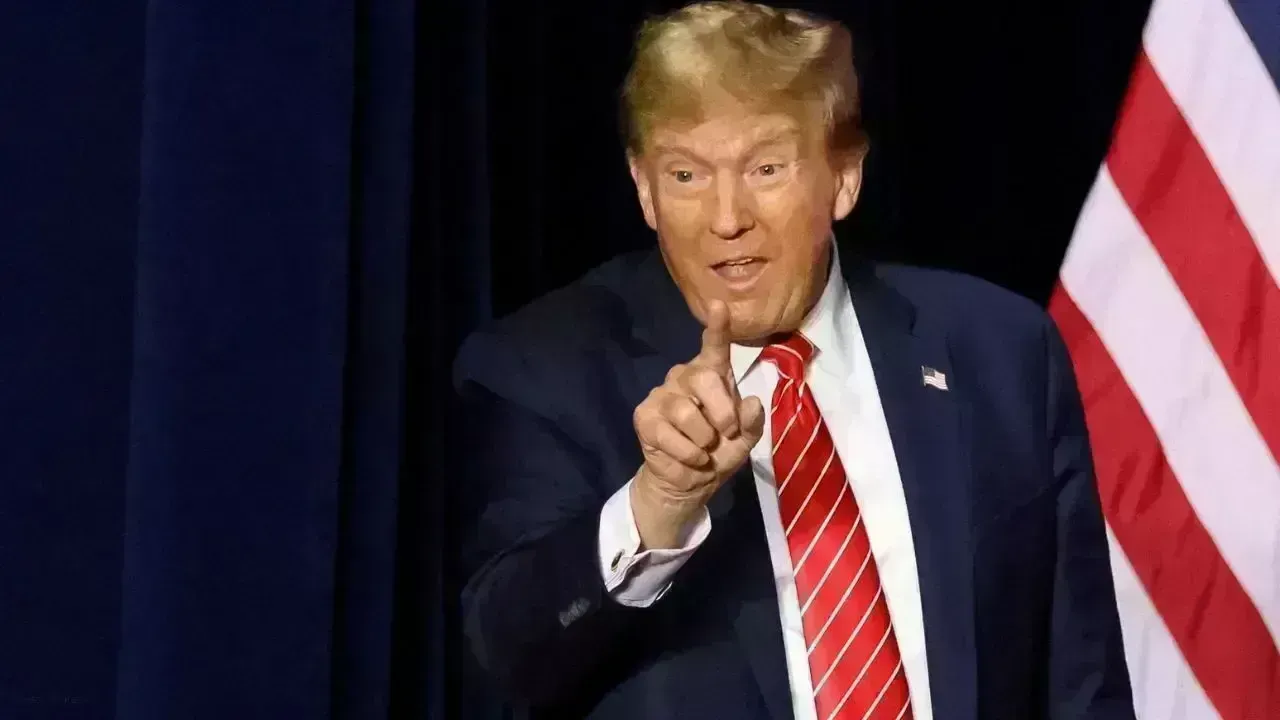
Multiple NATO member nations are expressing bewilderment and concern following US President Donald Trump's apparent reversal on the deployment of American troops in Europe. This unexpected shift in policy has generated uncertainty among allies, particularly at a time when security tensions with Russia are escalating and NATO nations are focused on collective defense and military collaboration.
Sources from diplomatic and defense circles indicate that the Trump administration had previously indicated a commitment to maintaining or even bolstering the US military presence in Europe, primarily due to ongoing issues stemming from the war in Ukraine and broader security dynamics. Yet, recent White House statements and policy negotiations now suggest a possible reconsideration of troop deployments in various European locations, leaving NATO partners taken aback.
Officials in Europe commented that this rapid change has caused confusion, as many NATO allies heavily depend on American military support as a crucial part of the alliance’s defensive framework. Eastern European countries notably view the US troop presence as vital protection against potential threats from Russia. Diplomats from various NATO nations are reportedly seeking clarification from Washington about American troop plans and future commitments to NATO.
Currently, the United States has tens of thousands of military personnel stationed across Europe, with significant bases in Germany, Poland, Italy, among other NATO states. Since Russia's invasion of Ukraine in 2022, NATO has increased military readiness, expanded troop deployments, and enhanced defense collaboration across the region. American forces have been essential to these operations, providing intelligence sharing, logistical support, training missions, and rapid-response planning.
Trump has historically criticized NATO allies for not investing sufficiently in their defense and relying too much on US military protection. During both his previous presidency and current political discourse, Trump emphasized that European nations need to assume greater responsibility for their defense expenditures. His administration has frequently linked US military commitments to whether NATO allies are meeting the defense spending targets established by the alliance.
Some experts speculate that the latest discussions may reflect broader debates within the Trump administration regarding military expenditures, foreign policy priorities, and long-term strategic objectives. Others suggest that this fluctuating stance could indicate internal disagreements among White House officials, defense leaders, and military commanders about the security landscape in Europe.
European leaders are now closely monitoring Washington for formal updates regarding potential troop reductions or alterations. Many NATO governments fear that ambiguity over US military commitments might spur geopolitical instability and undermine deterrence against possible security threats in Europe.
Defense analysts assert that a significant change in US troop levels would likely have profound political and military implications for NATO operations. American troops in Europe facilitate not only regional defense but also intelligence gathering, military exercises, logistics support, and rapid deployment across the alliance. Consequently, any adjustments to troop presence could influence NATO’s overall readiness and strategic frameworks.
Despite the prevailing concerns, NATO officials have publicly stressed that the alliance remains cohesive and dedicated to collective security. Nevertheless, political analysts note that Trump's shifting position has once again brought to the forefront ongoing discussions within NATO regarding burden-sharing, defense spending, and the future role of the United States in European security matters.










PM Modi Pays Tribute to Mahatma Gandhi, Urges People to Support Khadi
PM Modi pays tribute to Mahatma Gandhi on Gandhi Jayanti and urges citizens to support Khadi and the

Amazon Seeks to Offload $8 Billion in Nvidia Chips to Investors
Amazon plans to move $8 billion in Nvidia chips to investors, using a new financing model to strengt

Samsung Raises Galaxy S26 Prices as Memory Chip Costs Rise
Samsung raises Galaxy S26 prices in South Korea as rising memory chip costs put pressure on smartpho

Lewis Hamilton Calls Singapore Grand Prix One of F1's Toughest Races
Lewis Hamilton discusses the demanding Singapore Grand Prix and brings Plus44 and Almave to Singapor

Denmark's Pandora Opens World's Largest Jewellery Factory in Vietnam
Pandora opens its largest jewellery factory in Vietnam, expanding global production, strengthening s

Gautam Gambhir Questions Batting-Friendly Pitches After India's Record ODI Chase
Gautam Gambhir questions batting-friendly ODI pitches after India’s record chase, calling for a bett

