You have not yet added any article to your bookmarks!
Join 10k+ people to get notified about new posts, news and tips.
Do not worry we don't spam!
Post by : Samjeet Ariff
Disclaimer: This article offers information for educational purposes and is not a substitute for professional medical advice. Always consult your healthcare provider before altering any health monitoring practices or medication.
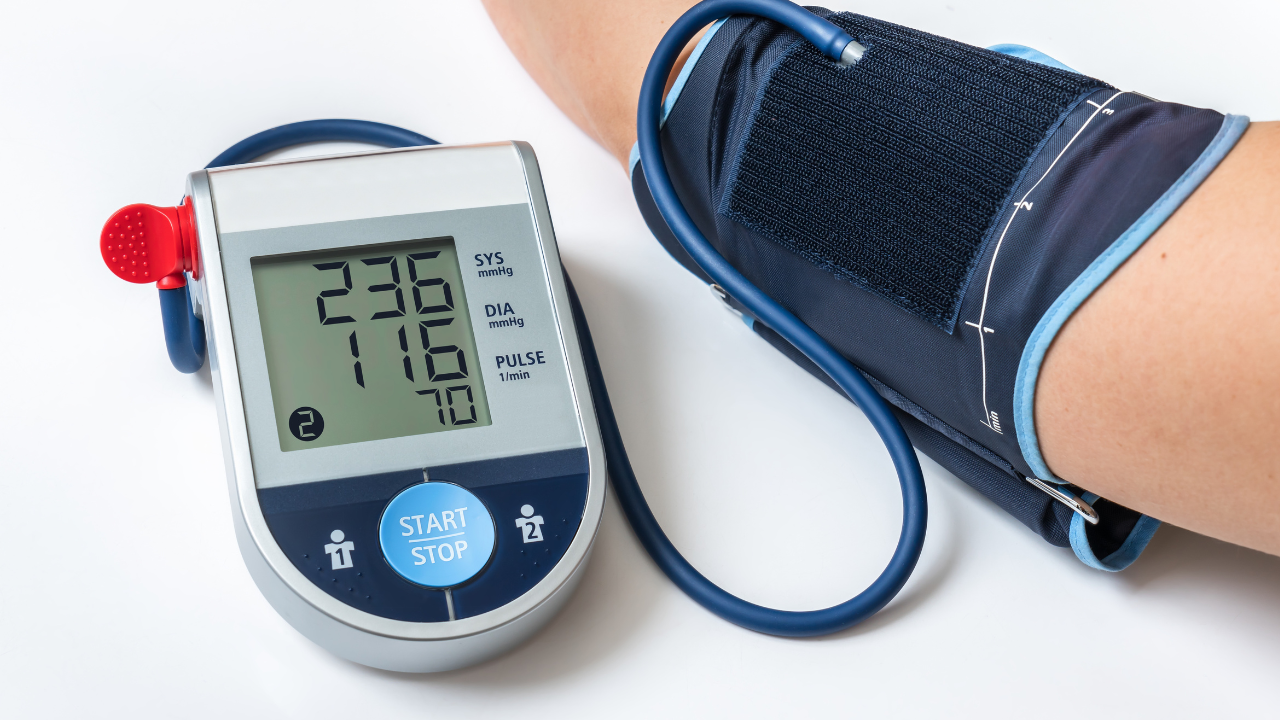
High blood pressure, commonly known as hypertension, is deemed the “silent killer” due to its lack of noticeable symptoms while posing serious risks such as heart disease, stroke, or kidney issues. Regular monitoring is vital—measuring your blood pressure at home has emerged as one of the best ways to oversee your cardiovascular well-being.
Modern home blood pressure monitors are both economical and user-friendly, delivering reliable readings when used correctly. They allow individuals to manage their health efficiently, reducing the need for frequent doctor visits and facilitating better-informed medical decisions.
Before selecting a monitor, it's crucial to comprehend your blood pressure numbers.
A standard blood pressure reading consists of two figures:
Systolic Pressure (Top Figure): The force in your arteries during heartbeats.
Diastolic Pressure (Bottom Figure): The pressure when your heart is at rest.
As per the American Heart Association (AHA):
Normal: Below 120/80 mmHg
Elevated: 120–129 / below 80 mmHg
High Blood Pressure (Stage 1): 130–139 / 80–89 mmHg
High Blood Pressure (Stage 2): 140/90 mmHg or higher
Consistently high readings warrant a discussion with your healthcare provider.
Regular self-monitoring can provide numerous health advantages:
Early Identification: Detects increases in blood pressure before complications arise.
Accurate Tracking: Offers a detailed view of fluctuations compared to sporadic clinical assessments.
Treatment Monitoring: Aids your physician in gauging the effectiveness of medications or lifestyle adjustments.
Reduction of the “White Coat” Effect: Many experience heightened readings in medical settings due to anxiety; home monitoring yields more authentic results.
Empowerment: Encourages healthier habits and a sense of responsibility for long-term cardiac health.
Every blood pressure device is not created equal. The best choice hinges on accuracy, comfort, user-friendliness, and added features. Here’s a guide to help you decide:
Upper Arm Devices: These are generally the most precise and physician-approved.
Wrist Devices: Convenient but may be affected by arm positioning—ideal for individuals who find upper arm cuffs uncomfortable.
Finger Devices: Usually less accurate; generally not recommended for precise medical use.
Opt for a monitor that has been clinically proven for precision by authorities such as the AHA, BHS, or ESH. Certifications can often be found on the packaging or the manufacturer's website.
Newer monitors come equipped with smart technologies:
Bluetooth Synchronization: Instantly relays readings to your smartphone or health application.
Multiple User Profiles: Perfect for families sharing one unit.
Memory Capabilities: Stores past values for easy reference.
Voice Assistance or Large Screens: Beneficial for elderly users or those with visual difficulties.
Ensure you choose a cuff that fits your arm accurately. An improperly fitting cuff can lead to erroneous readings. Measure your arm's circumference and align it with the device specifications before purchase.
Even a reliable monitor can yield faulty results if utilized incorrectly. Follow these guidelines for the most accurate home measurements:
Rest for 5 Minutes: Avoid caffeine, smoking, or exercise for at least 30 minutes prior.
Consistent Timing: Morning readings (before medication) and evening readings (before dinner) work best.
Proper Positioning:
Ensure your back is supported, and your feet are flat on the ground.
Your arm should be rested on a table at heart level.
Avoid Movement or Conversation: Stay still and quiet during the measurement.
Multiple Readings: Take two or three in succession, waiting one minute between readings, and average the results.
Document Your Results: Maintain a log or leverage the app linked to your monitor. Share this information with your doctor.
Many individuals inadvertently commit mistakes that result in inaccurate readings. Steer clear of the following:
Measuring right after physical activity.
Placing the cuff over clothing.
Crossing your legs or slouching while measuring.
Using a defective or ill-fitting cuff.
Comparing results from different devices without calibration.
Employing proper techniques guarantees your measurements are trustworthy and beneficial for health assessments.
While preferences may vary by area, certain models are consistently lauded for reliability and ease of use:
Omron Platinum or Evolv Series: Clinically validated, dependable, and Bluetooth-enabled.
Withings BPM Connect: Elegant design with smartphone compatibility to track trends.
A&D Medical Upper Arm Monitor: Straightforward interface with outstanding precision.
Beurer BM Series: Features memory function and is suitable for family use.
Always confirm the device's compliance with your local medical authority or validate its certification documentation before purchase.
While self-monitoring is a valuable tool, it should not supplant professional assessments. Contact your healthcare provider if:
Your measurements consistently exceed 130/80 mmHg.
You face symptoms like dizziness, breathing difficulties, or chest discomfort.
Your blood pressure suddenly drops to less than 90/60 mmHg without explanation.
Healthcare professionals can determine if your readings suggest chronic hypertension or temporary variations influenced by stress, nutrition, or hydration levels.
Monitoring blood pressure is just a component of sustaining cardiovascular health. Blend regular readings with intelligent daily practices:
Consume a Balanced Diet: Prioritize fruits, vegetables, whole grains, and low-sodium foods.
Exercise Consistently: Engage in at least 30 minutes of moderate activity five days a week.
Limit Alcohol and Caffeine Intake: Both substances can elevate blood pressure.
Manage Stress Levels: Consider deep breathing exercises, yoga, or meditation techniques.
Ensure Quality Sleep: Strive for 7 to 8 hours nightly.
When paired with consistent monitoring, these lifestyle choices can substantially decrease your risk of complications related to hypertension.
Measuring your blood pressure at home is one of the most effective ways to stay proactive about your cardiovascular health. With the right device and technique, you can identify early warning signs, monitor your health journey, and provide your doctor with insightful data for ongoing care.
Remember: your health journey begins with awareness—one accurate reading at a time.









PSG Coach Luis Enrique Urges Players to Step Outside Comfort Zone
PSG coach Luis Enrique says players must leave their comfort zone and keep improving as the club tar

China’s Tiangong Sets New 400m Record at Robot Olympics
China’s Tiangong robot sets a new 400m record at the Robot Olympics, beating a South African robot i

George Russell Wins Dutch GP Sprint, Boosts Mercedes Morale
George Russell wins the Dutch GP Sprint from pole as Mercedes teammate Kimi Antonelli extends his F1

Australia 50/3 After Bangladesh Bowled Out for 64 in Second Test
Australia reached 50/3 after Bangladesh were bowled out for 64 in the second Test, with Mitchell Sta

Jordan Burroughs Returns to Wrestling with 2028 Olympic Dream
Jordan Burroughs returns to wrestling with Real American Freestyle as the Olympic champion eyes a po

Lamborghini Catches Fire on Singapore's ECP, Causing Heavy Traffic
A Lamborghini caught fire on Singapore's ECP, causing heavy traffic and bus delays. No injuries were