
You have not yet added any article to your bookmarks!
Join 10k+ people to get notified about new posts, news and tips.
Do not worry we don't spam!
Post by : Shweta
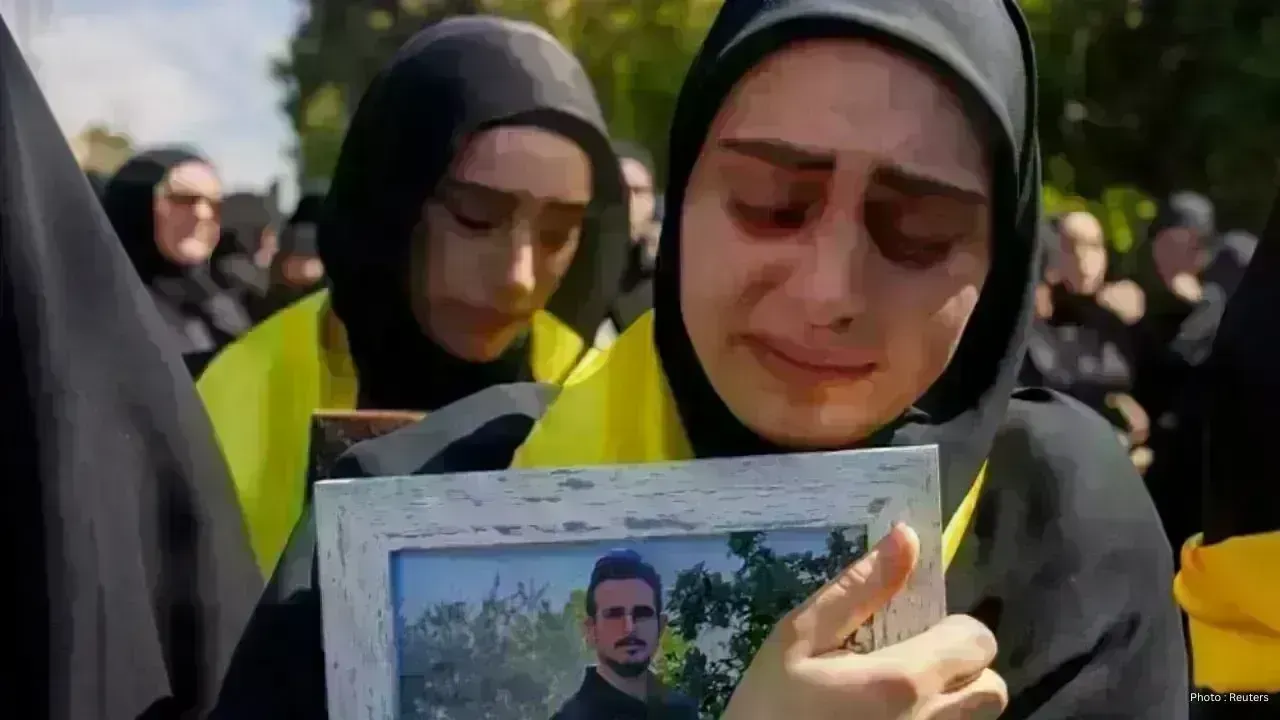
According to Lebanon’s Health Ministry, the casualties from Israeli aerial assaults have now exceeded 3,000 as hostilities between Israel and Hezbollah persist, despite ongoing international efforts for a ceasefire. Lebanese officials reported that approximately 3,020 individuals have lost their lives since the conflict escalated earlier in the year, marking a profoundly tragic chapter in Lebanon's history. The violence has resulted in thousands of injuries and forced over a million residents to flee their homes.
As per statements from Lebanese authorities, the intensification of fighting occurred after Hezbollah launched strikes towards northern Israel in March, linked to broader tensions in the region involving Iran and other Middle Eastern issues. In retaliation, Israel has conducted extensive airstrikes, artillery bombardments, and ground operations concentrated on Hezbollah positions throughout southern Lebanon and close to Beirut. Israeli officials assert that these military actions aim to diminish Hezbollah’s military strength and deter future aggressions against Israel.
In spite of a U.S.-endorsed extension of the ceasefire recently announced, confrontations and airstrikes have persisted almost daily. Reports indicate that Israeli aircraft executed new attacks in southern Lebanon, while Hezbollah responded with drone and rocket strikes targeting Israeli military sites. Civilians, including women, children, healthcare workers, and first responders, constitute a significant part of the casualties, according to Lebanese officials.
A recent Israeli offensive near Baalbek was said to have killed a commander from the Palestinian Islamic Jihad along with his daughter. Earlier in the month, strikes on a civil defense facility in southern Lebanon led to the deaths of paramedics and injuries to several others. Humanitarian organizations have frequently expressed concerns regarding the targeting of civilian infrastructure and medical facilities amidst the conflict.
The humanitarian crisis in Lebanon continues to deteriorate as the fighting spreads. Thousands of properties have been damaged or completely destroyed, particularly in southern regions. Essential services like roads, communication systems, and electricity have suffered due to ongoing assaults. Aid organizations report that many displaced families are in dire need of shelter, food, medical care, and basic necessities as the conflict rages on.
Israeli officials maintain that their military actions are justified as Hezbollah continues to launch attacks from civilian localities, storing weaponry within populated areas. They claim that many strikes aim specifically at Hezbollah leadership, missile launchers, and military sites. Conversely, Hezbollah affirms its commitment to resisting Israeli military action and safeguarding Lebanon from perceived aggression.
Concerns from the international community have intensified as efforts to achieve a ceasefire struggle to yield results. Diplomatic discussions involving the United States, various European nations, and regional mediators aim to prevent the escalation of conflict. However, complications tied to Iran, Gaza, and Hezbollah hinder negotiations and elevate fears of a broader confrontation.
Lebanese authorities have announced that the nation is confronting one of its most severe humanitarian crises in years. Hospitals in several areas are reportedly overwhelmed, and aid organizations warn that ongoing fighting could result in even higher displacement rates and economic deterioration. The Lebanese government has consistently sought international pressure to halt the strikes and ensure the protection of civilians.
Meanwhile, Israeli officials assert that military operations will persist until the perceived security threats from Hezbollah diminish. Analysts highlight that the situation remains extremely volatile, with both factions continuing to engage in hostilities despite diplomatic pressures and ceasefire negotiations. Observers caution that any further escalation might draw additional regional players into the conflict, threatening to exacerbate instability across the Middle East.










PM Modi Pays Tribute to Mahatma Gandhi, Urges People to Support Khadi
PM Modi pays tribute to Mahatma Gandhi on Gandhi Jayanti and urges citizens to support Khadi and the

Amazon Seeks to Offload $8 Billion in Nvidia Chips to Investors
Amazon plans to move $8 billion in Nvidia chips to investors, using a new financing model to strengt

Samsung Raises Galaxy S26 Prices as Memory Chip Costs Rise
Samsung raises Galaxy S26 prices in South Korea as rising memory chip costs put pressure on smartpho

Lewis Hamilton Calls Singapore Grand Prix One of F1's Toughest Races
Lewis Hamilton discusses the demanding Singapore Grand Prix and brings Plus44 and Almave to Singapor

Denmark's Pandora Opens World's Largest Jewellery Factory in Vietnam
Pandora opens its largest jewellery factory in Vietnam, expanding global production, strengthening s

Gautam Gambhir Questions Batting-Friendly Pitches After India's Record ODI Chase
Gautam Gambhir questions batting-friendly ODI pitches after India’s record chase, calling for a bett

