
You have not yet added any article to your bookmarks!
Join 10k+ people to get notified about new posts, news and tips.
Do not worry we don't spam!
Post by : Shweta
In light of ongoing disruptions in global energy markets caused by the conflict involving Iran, Japan has begun increasing its imports of Russian oil. This strategic shift aims to address mounting concerns over fuel shortages and inflationary pressures affecting worldwide energy supply chains.
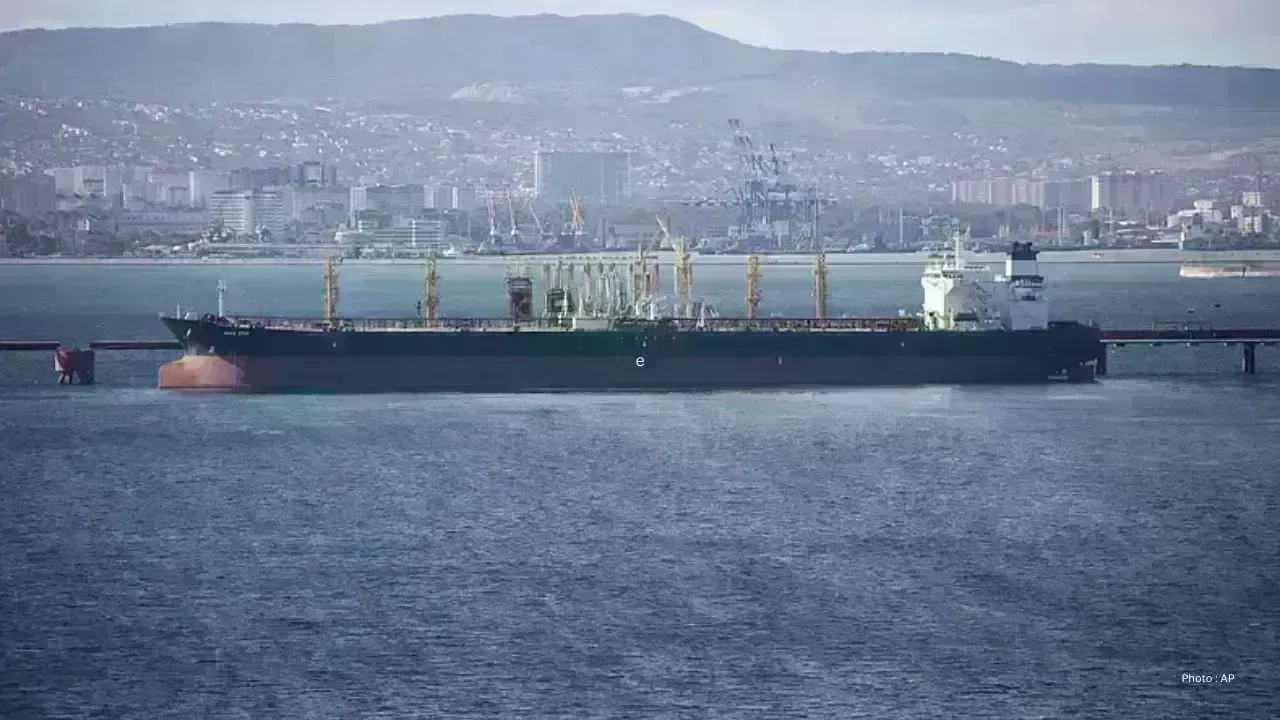
Recent data reveals that Taiyo Oil, a significant Japanese refiner, has procured a shipment from Russia's Sakhalin-2 project. This marks a notable return to sourcing oil from Russia after Japan had scaled back imports in response to the Russia-Ukraine scenario.
The strategy emerges in the wake of escalating tensions in the Strait of Hormuz, a critical passage for global oil shipments. With a vast majority of Japan's crude oil traditionally routed through this area, the nation faces heightened vulnerability due to instability in the Middle East.
Energy companies and officials in Japan are actively seeking alternative suppliers to mitigate the threat of fuel shortages and ensure economic stability. Reports have surfaced indicating increased oil imports from the United States and other non-Middle Eastern regions to safeguard energy availability for both consumers and industries.
Analysts note that the Iran conflict has catalyzed a crisis extending beyond crude oil — it’s having a detrimental effect on fuel products, including jet fuel and liquefied petroleum gas, impacting various sectors from transportation to manufacturing. The repercussions have also heightened shipping costs and contributed to inflationary trends globally.
Historically, Japan relies on foreign oil, with approximately 90 percent of its crude oil sourced from Gulf states prior to the recent conflict. Even minor disruptions can severely affect Japan’s economy, influencing industrial production and fuel pricing.
Economic professionals suggest that Japan’s pivot toward Russian oil underscores a wider shift in energy policies across Asia. Countries are increasingly diversifying their oil supply sources to shield their economies from geopolitical instabilities.
As the global energy landscape remains precarious, driven by the Iran conflict, stakeholders express concern that ongoing tensions might exacerbate economic hurdles for nations reliant on energy imports, leading to escalated transportation costs and slower growth rates.










PM Modi Pays Tribute to Mahatma Gandhi, Urges People to Support Khadi
PM Modi pays tribute to Mahatma Gandhi on Gandhi Jayanti and urges citizens to support Khadi and the

Amazon Seeks to Offload $8 Billion in Nvidia Chips to Investors
Amazon plans to move $8 billion in Nvidia chips to investors, using a new financing model to strengt

Samsung Raises Galaxy S26 Prices as Memory Chip Costs Rise
Samsung raises Galaxy S26 prices in South Korea as rising memory chip costs put pressure on smartpho

Lewis Hamilton Calls Singapore Grand Prix One of F1's Toughest Races
Lewis Hamilton discusses the demanding Singapore Grand Prix and brings Plus44 and Almave to Singapor

Denmark's Pandora Opens World's Largest Jewellery Factory in Vietnam
Pandora opens its largest jewellery factory in Vietnam, expanding global production, strengthening s

Gautam Gambhir Questions Batting-Friendly Pitches After India's Record ODI Chase
Gautam Gambhir questions batting-friendly ODI pitches after India’s record chase, calling for a bett

