
You have not yet added any article to your bookmarks!
Join 10k+ people to get notified about new posts, news and tips.
Do not worry we don't spam!
Post by : Shakul
Japan is facing one of the world’s most severe seasonal allergy crises, and experts now say the roots of the problem go back to a government forestry policy introduced in the 1950s after World War II. Millions of people across the country continue to suffer from hay fever caused mainly by cedar pollen, turning spring into a difficult season for a large section of the population.
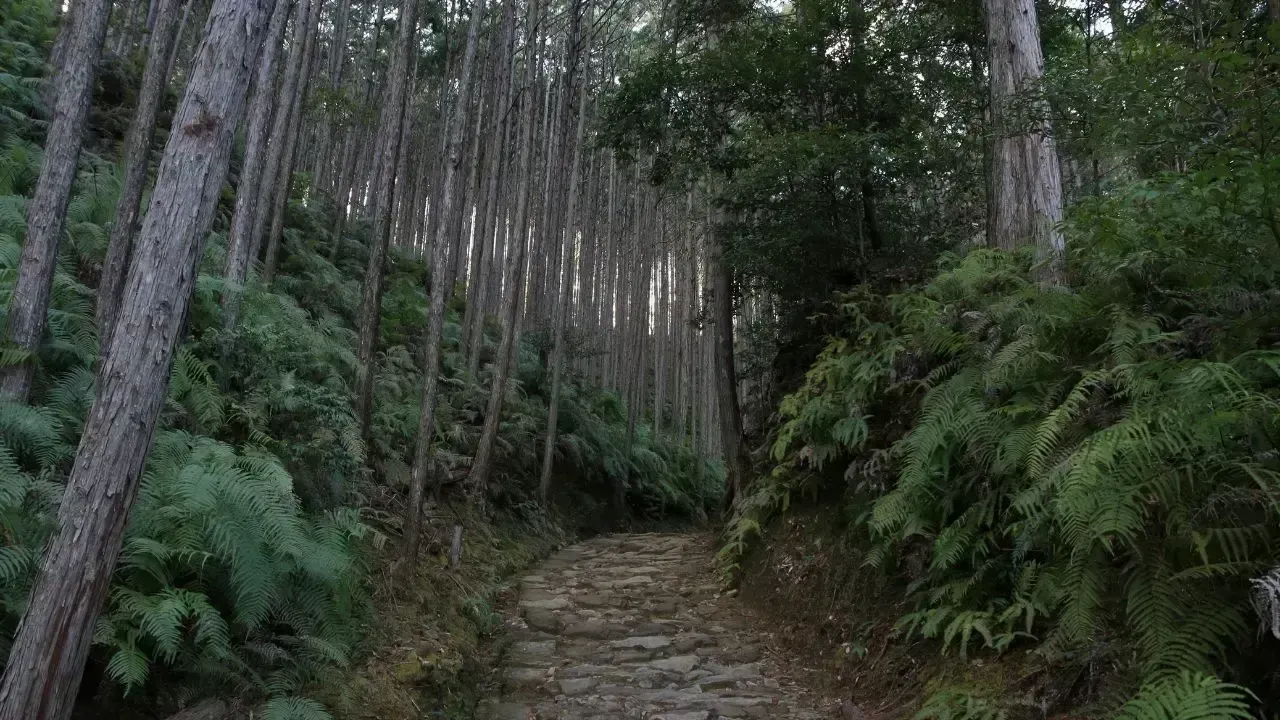
Following the war, Japan launched an aggressive reforestation campaign to support reconstruction and economic growth. Large numbers of cedar and cypress trees were planted because they grew quickly and could provide timber for homes, buildings, and infrastructure projects during the country’s rapid recovery period.
Decades later, those same trees have matured together and are now releasing massive amounts of pollen into the atmosphere every spring. Health experts say the synchronized aging of these forests has created a nationwide allergy problem that affects nearly half the population in some regions of Japan.
The situation has become more severe due to urbanisation and climate change. Rising temperatures are extending pollen seasons, while pollution in densely populated cities is believed to increase sensitivity to allergens. Many residents experience symptoms such as sneezing, itchy eyes, breathing problems, headaches, and exhaustion during peak pollen periods.
Every year, large numbers of people in Japan rely on face masks, antihistamine medicines, air purifiers, and protective eyewear to manage the allergy season. Schools, offices, transport systems, and outdoor businesses are also affected as productivity drops and health complaints rise during spring months.
In response to the growing crisis, Japanese authorities have started cutting older cedar forests and replacing them with low-pollen tree varieties. Researchers are also working on medical therapies and preventive treatments aimed at reducing allergic reactions and improving long-term public health outcomes.
Experts now describe Japan’s hay fever epidemic as a powerful example of how environmental planning decisions can create unintended health consequences decades later. The issue has sparked wider discussions about climate resilience, urban planning, and sustainable forestry policies for future generations.










PM Modi Pays Tribute to Mahatma Gandhi, Urges People to Support Khadi
PM Modi pays tribute to Mahatma Gandhi on Gandhi Jayanti and urges citizens to support Khadi and the

Amazon Seeks to Offload $8 Billion in Nvidia Chips to Investors
Amazon plans to move $8 billion in Nvidia chips to investors, using a new financing model to strengt

Samsung Raises Galaxy S26 Prices as Memory Chip Costs Rise
Samsung raises Galaxy S26 prices in South Korea as rising memory chip costs put pressure on smartpho

Lewis Hamilton Calls Singapore Grand Prix One of F1's Toughest Races
Lewis Hamilton discusses the demanding Singapore Grand Prix and brings Plus44 and Almave to Singapor

Denmark's Pandora Opens World's Largest Jewellery Factory in Vietnam
Pandora opens its largest jewellery factory in Vietnam, expanding global production, strengthening s

Gautam Gambhir Questions Batting-Friendly Pitches After India's Record ODI Chase
Gautam Gambhir questions batting-friendly ODI pitches after India’s record chase, calling for a bett

