You have not yet added any article to your bookmarks!
Join 10k+ people to get notified about new posts, news and tips.
Do not worry we don't spam!
Post by : Anis Farhan
India has long held a cherished bond with animals, viewing pets as integral to family life. Traditionally, households embraced common pets like dogs, cats, and turtles. However, with shifting urban landscapes and global influences, exotic pet ownership is rapidly gaining traction.
Species like macaws, iguanas, and sugar gliders are increasingly being welcomed into homes across Indian cities. Young owners take to social media to showcase their unique pets, while pet stores expand inventories to cater to this newfound fascination with exotic diets, specialized habitats, and grooming needs.
This burgeoning trend, though captivating, raises critical issues surrounding ethical sourcing, animal welfare, and public safety, placing India at a crucial juncture—both fascinated by exotic animals and challenged by the need for sustainable practices.
Understanding the exotic pet frontier necessitates not just admiration but rigorous awareness and proactive regulations.
Short, engaging videos showcasing rare pets have captivated online audiences. Content featuring iguanas basking in the sun or parrots mimicking human speech evokes curiosity and fuels a desire for exotic ownership, often perceived as a trendy status symbol.
In bustling cities, many turn to low-maintenance exotic species like reptiles and small mammals, who are falsely assumed to require less time than traditional pets.
More affluent young professionals are financially supporting their passion for unique pets, investing in bespoke habitats and specialized care.
Exotic animals captivate with their aesthetic charm and provide companionship, appealing to those seeking alternatives to typical pets.
Iguanas
Bearded dragons
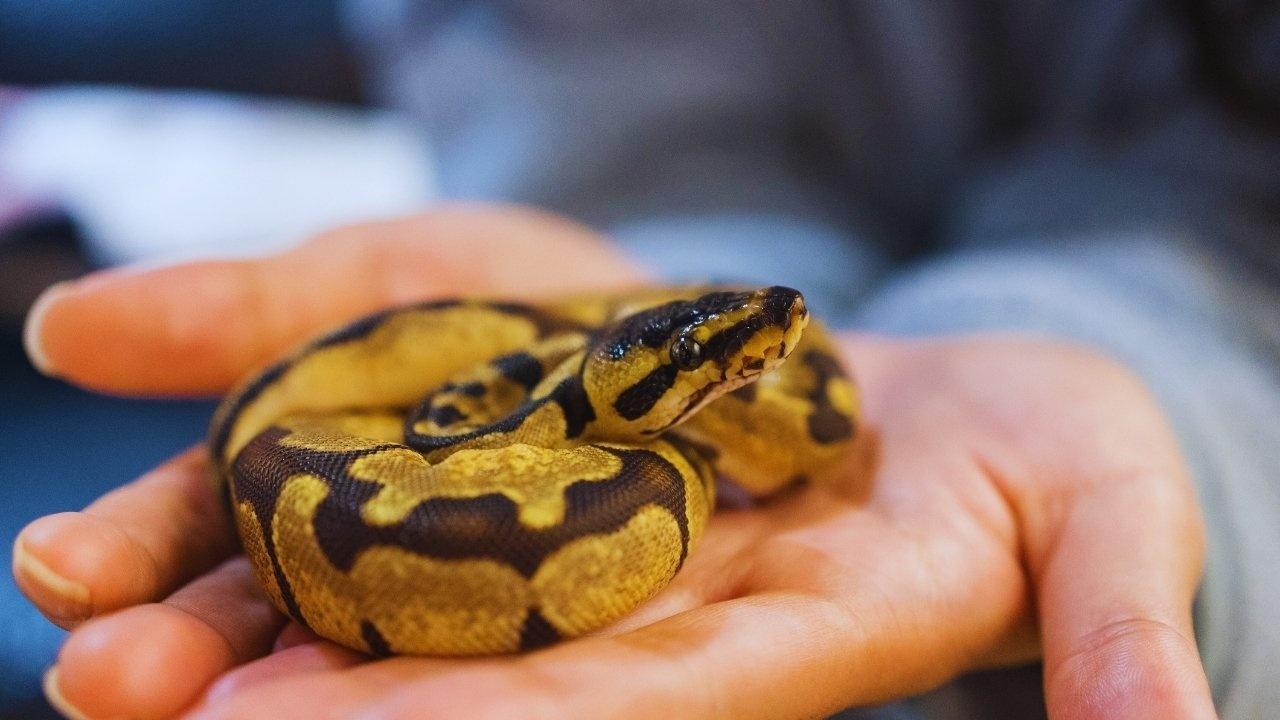
Ball pythons
Leopard geckos
Reptiles attract those who relish observing slow movements and unique feeding rituals.
Macaws
African Grey parrots
Cockatoos
Conures
Renowned for their intelligence and potential for strong bonds, these birds are a favorite among enthusiasts.
Hedgehogs
Sugar gliders
Ferrets (in specific niches)
Hamsters (a newly exotic category)
Their compact size and appeal capture attention.
Rare fish varieties
Axolotls
Terrapins
Aquarium hobbyists thrive on creating sophisticated ecosystems, inspired by global aquascaping trends.
Pet owners are mastering the creation of:
Temperature-controlled habitats
UV light installations
Naturalistic terrariums
Spacious aviaries for birds
Today's homes often mimic exotic environments.
From live feeding for reptiles to custom blends for birds, exotic pet diets are becoming intricate, with some enthusiasts even home-growing feeder insects.
A niche network of veterinarians is now specializing in:
Surgery for birds
Nutrition for reptiles
Exotic parasite control
Advanced diagnostics for small mammals
Veterinary care is evolving to meet the demands of exotic animals in urban settings.
Pet owners are designing play areas, including tree structures, sand baths, and sensory toys to promote active engagement. Training for social interactions and stimulating environments has become vital.
Although India’s Wildlife Protection Act focuses on native species, it lacks comprehensive guidelines for non-native animals, creating a murky legal environment.
Clarity on legal species for ownership
Regulation of breeding and sales
Requirements for quarantine or biosecurity
Ownership tracking and verification
Protocol for abandoned or released animals
The absence of clear regulations invites mismanagement.
Hobby trading disguising illegal trafficking
Threats to local ecosystems from escaped species
Public health risks
Suffering due to inadequate care
Exploitation of wildlife abroad
Urgent establishment of comprehensive regulations is imperative.
There is a pressing need for structured regulations, including:
A definitive list of allowed exotic species
Certification for ethical sourcing
Health screening protocols
Licensing for breeders and sellers
Regulation of veterinary practices for exotics
Accountability for illegal trade
Emergency shelters for confiscated animals
A balance between enabling pet ownership and protecting animals and biodiversity is needed.
Instituting a register to monitor:
The population of exotic pets
Health certifications
Space adequacy for housing
Record of pet transfers and adoptions
Transparency is essential in minimizing illegal activities.
Ethical ownership entails selecting only captive-bred species to protect ecosystems from devastation.
Releasing exotic pets can have detrimental effects on native species. Careless actions can disrupt local ecosystems significantly.
Exotic pets often require:
Climate-controlled environments
Specialized diets
Enrichment activities
Social interaction opportunities
Without proper care, their well-being can be severely compromised.
Before acquiring an exotic pet, potential owners must thoroughly research their care requirements—including temperature, lighting, diet, and social behaviors.
Certain species require expansive environments; for example, some birds thrive in aviary spaces while reptiles need humidity-controlled habitats.
Investing in the well-being of exotic pets demands funds for:
Setting up proper habitats
Routine veterinary care
Specialized diets
Enrichment opportunities
Pets should be cherished commitments instead of temporary possessions. Abandoning them is both cruel and irresponsible.
Dedicated shops are emerging to cater to exotic pets, featuring:
UV light products
Reptile habitats
Bird playgrounds
Specialized feeders
Aquascaping materials
Online platforms are rising, allowing passionate owners to share insights on:
Dietary management
Setup strategies
Veterinary suggestions
Training techniques
This collective knowledge promotes improved care for exotic animals.
Veterinary practices, mobile grooming, and emergency care services are beginning to include specialized exotic care in major cities.
The rising trend of exotic pets is creating demand for:
Climate-controlled boarding facilities
Exotic animal caretakers
Veterinary oversight for pet accommodations
There is potential for animal care institutes to introduce specialized modules focused on exotic pets for veterinary professionals and caretakers.
As the demand for exotic pets rises, India may soon establish clearer regulations that balance:
Pet owner freedoms
Biodiversity protection
Ethical breeding and sourcing
International regulatory compliance
Workshops and programs aimed at youth can instill responsible pet ownership ethics early on.
The rise of exotic pets in India reflects a cultural evolution towards specialized care and awareness, underpinned by global influences. This new wave of pet ownership embodies curiosity and the drive to connect with nature.
However, such changes call for a commitment to responsibility, regulatory clarity, and ethical practices. While exotic animals enchant us, they are more than mere accessories; they require informed care, dedication, and sustainable practices.
As India navigates this trend, establishing a thoughtful foundation for future pet care is paramount. The trajectory of the exotic pet phenomenon will hinge on our collective effort to foster beauty and understanding, rather than neglect and risk. The time to act decisively is now for a responsible pet future.
This article serves to illuminate the emergent trends surrounding exotic pets and the importance of responsible ownership. Regulations and species permissions are subject to change, thus local laws must be verified before any pet acquisition or care.










PSG Coach Luis Enrique Urges Players to Step Outside Comfort Zone
PSG coach Luis Enrique says players must leave their comfort zone and keep improving as the club tar

China’s Tiangong Sets New 400m Record at Robot Olympics
China’s Tiangong robot sets a new 400m record at the Robot Olympics, beating a South African robot i

George Russell Wins Dutch GP Sprint, Boosts Mercedes Morale
George Russell wins the Dutch GP Sprint from pole as Mercedes teammate Kimi Antonelli extends his F1

Australia 50/3 After Bangladesh Bowled Out for 64 in Second Test
Australia reached 50/3 after Bangladesh were bowled out for 64 in the second Test, with Mitchell Sta

Jordan Burroughs Returns to Wrestling with 2028 Olympic Dream
Jordan Burroughs returns to wrestling with Real American Freestyle as the Olympic champion eyes a po

Lamborghini Catches Fire on Singapore's ECP, Causing Heavy Traffic
A Lamborghini caught fire on Singapore's ECP, causing heavy traffic and bus delays. No injuries were