
You have not yet added any article to your bookmarks!
Join 10k+ people to get notified about new posts, news and tips.
Do not worry we don't spam!
Post by : Shweta
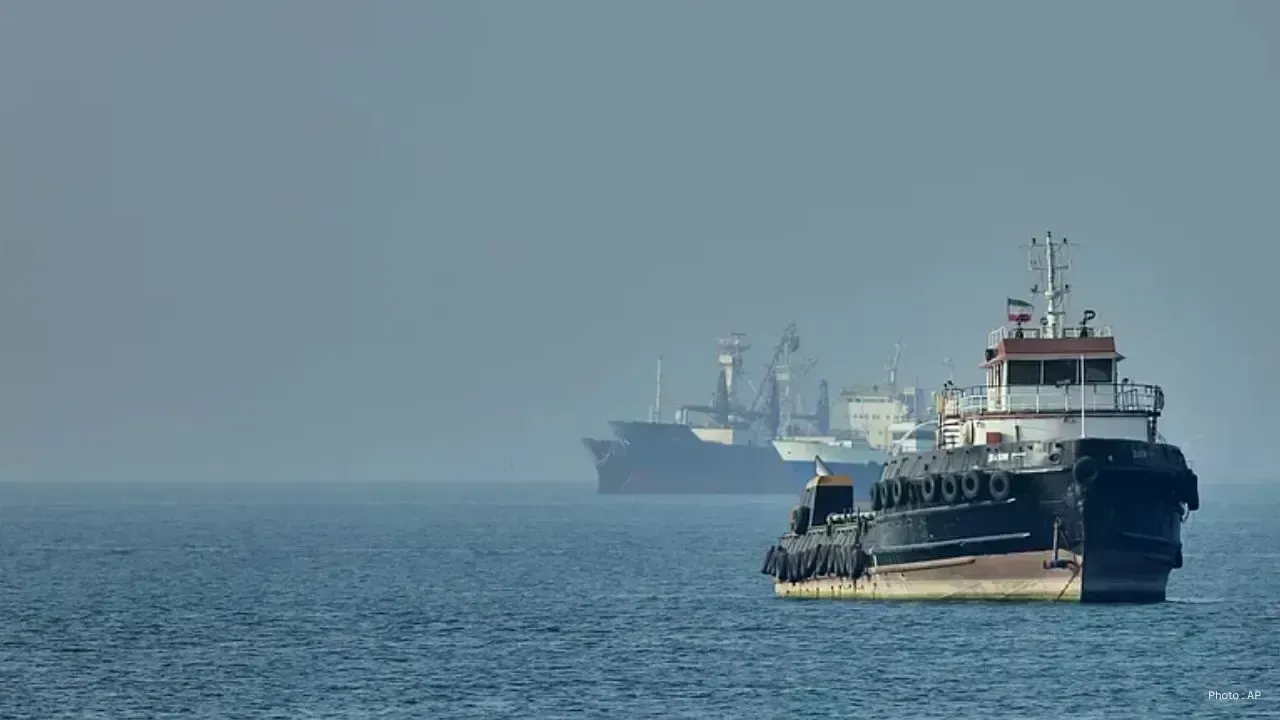
During a recent United Nations meeting, India expressed its strong disapproval of the attacks on commercial vessels navigating the Strait of Hormuz, labeling such aggressions as “unacceptable” and detrimental to global commerce and maritime security. Indian officials underscored the critical need for the protection of vital international shipping routes to ensure economic and energy stability worldwide.
While addressing the UN assembly, representatives from India highlighted their apprehensions regarding escalating tensions and security challenges within the strategically significant Strait of Hormuz, recognized as a major conduit for global oil transportation. They reiterated that the sovereignty of navigation and safeguarding of commercial ships must be honored in accordance with international maritime law.
The Strait of Hormuz functions as a pivotal maritime trade artery that links key oil exporters from the Middle East to global markets. A substantial portion of daily crude oil and energy exports traverse this narrow route, making any disruption potentially damaging to international oil prices and trade sustainability.
Indian officials articulated that attacks on commercial and civilian vessels endanger regional stability and breed uncertainty in the global economy. They cautioned that continued hostilities could lead to increased shipping costs, higher insurance premiums, and surge in energy prices globally, particularly impacting developing nations reliant on imported fuel sources.
Furthermore, Indian representatives urged for restraint, dialogue, and peaceful negotiations to ease the tensions in the region. Emphasizing respect for global maritime laws, India called for actions that would prevent further destabilization of the Gulf.
These assertions coincide with a period of heightened geopolitical strain involving various nations in the Middle East. In recent years, numerous commercial vessels and oil tankers have encountered drone assaults, seizures, and other safety threats while passing through the Strait of Hormuz, raising major concerns among nations and shipping firms.
India's economic interests, particularly in energy procurement, are deeply tied to the Gulf region, given that a significant segment of its oil imports traverses the Strait. Consequently, ensuring stable and safe shipping lanes is a crucial aspect of New Delhi’s foreign policy priorities.
Analysts suggest that India’s remarks at the UN reflect a broader international unease regarding maritime security and the safeguarding of essential trade routes. Additionally, nations reliant on Middle Eastern energy are likely to persist in advocating for enhanced global collaboration to ensure the safety of commercial shipping.
In light of ongoing tensions in the Gulf region, the United Nations along with various global stakeholders are anticipated to engage in continued discussions surrounding maritime security and the region's overall safety.










PM Modi Pays Tribute to Mahatma Gandhi, Urges People to Support Khadi
PM Modi pays tribute to Mahatma Gandhi on Gandhi Jayanti and urges citizens to support Khadi and the

Amazon Seeks to Offload $8 Billion in Nvidia Chips to Investors
Amazon plans to move $8 billion in Nvidia chips to investors, using a new financing model to strengt

Samsung Raises Galaxy S26 Prices as Memory Chip Costs Rise
Samsung raises Galaxy S26 prices in South Korea as rising memory chip costs put pressure on smartpho

Lewis Hamilton Calls Singapore Grand Prix One of F1's Toughest Races
Lewis Hamilton discusses the demanding Singapore Grand Prix and brings Plus44 and Almave to Singapor

Denmark's Pandora Opens World's Largest Jewellery Factory in Vietnam
Pandora opens its largest jewellery factory in Vietnam, expanding global production, strengthening s

Gautam Gambhir Questions Batting-Friendly Pitches After India's Record ODI Chase
Gautam Gambhir questions batting-friendly ODI pitches after India’s record chase, calling for a bett

