
You have not yet added any article to your bookmarks!
Join 10k+ people to get notified about new posts, news and tips.
Do not worry we don't spam!
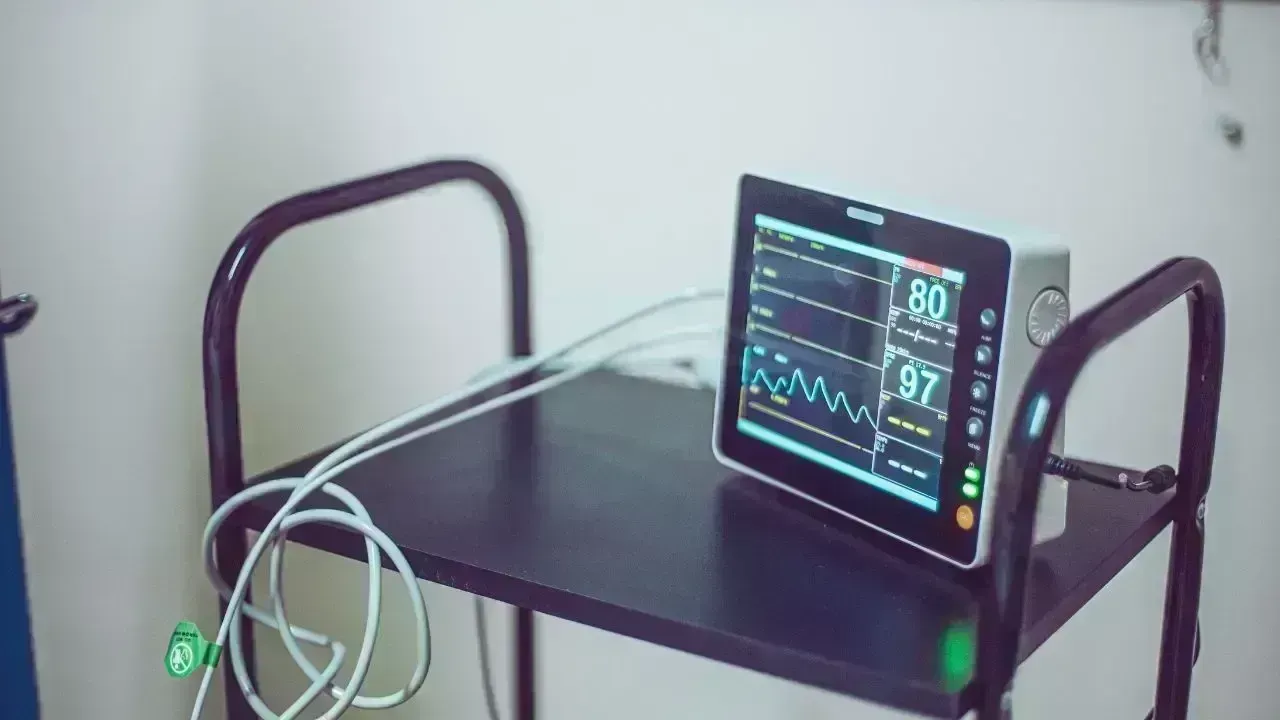
Post by : Anis Farhan
Healthcare in 2026 looks dramatically different from the systems we knew even a few years ago. Technological innovation—powered by artificial intelligence, smart devices, digital diagnostics and personalized wellness tools—has moved healthcare out of clinics and into everyday life. Health tech is no longer a niche category; it has become one of the most powerful forces shaping global medical systems, influencing consumer behavior, and redefining preventive care.
Wearables track our vitals in real time. AI diagnostics detect conditions faster than traditional tests. Personalized care tools now offer tailored guidance based on genetic, behavioral and lifestyle data. These advancements are transforming how people understand their bodies, manage risks and make proactive decisions about their long-term health.
In 2026, health tech is not just improving healthcare—it is democratizing it.
Wearables have evolved from simple fitness trackers into highly sophisticated health companions capable of monitoring an extensive range of biometric signals.
Modern wearables can measure:
heart rate and heart-rate variability
respiratory patterns
sleep cycles and quality indicators
blood oxygen saturation
body temperature fluctuations
stress responses
calorie and activity outputs
increased focus on preventive health
rising chronic disease rates
consumer desire for real-time insights
integration with smartphones and health apps
Wearables have become indispensable tools for individuals seeking active control over their health.
The next generation of sensors has enabled wearables to detect subtle physiological changes that were once measurable only in clinical environments.
continuous glucose monitoring without needles
hydration and electrolyte tracking
early detection of respiratory infections
menstrual cycle and fertility insights
predictive analytics for fatigue and burnout
These features empower users to make timely decisions before small imbalances become health concerns.
Wearable formats have diversified to suit different lifestyles.
Smartwatches: comprehensive daily health dashboards
Smart Rings: discreet biometric tracking
Health Patches: medical-grade continuous monitoring
Headband Wearables: brainwave and mental-health tracking
The variety ensures that health tracking fits seamlessly into daily routines.
AI diagnostics represent one of the most revolutionary advancements in modern healthcare. AI systems now analyze medical data with levels of accuracy that rival, and often exceed, traditional diagnostic methods.
AI tools can analyze:
imaging scans
blood markers
genetic sequences
wearable data streams
historical medical records
faster identification of disease patterns
reduced diagnostic errors
quicker intervention and treatment
improved patient outcomes
AI's ability to process enormous amounts of data makes it ideal for early detection systems.
Innovations have made medical diagnostics accessible from home. Remote diagnostic kits now allow individuals to test for a wide range of conditions without visiting a clinic.
microbiome analysis
hormone panels
glucose and metabolic screenings
sleep disorder assessments
genetic predisposition testing
Results are analyzed by AI and delivered through user-friendly dashboards.
AI predicts health risks well before symptoms emerge by evaluating long-term data patterns.
identifying risk for cardiac events
forecasting metabolic disorders
detecting mental health distress
anticipating sleep disruptions
analyzing stress thresholds
Predictive healthcare shifts medical systems from reactive treatment to proactive prevention.
Personal care has moved far beyond generic wellness advice. Technology now uses individual data profiles to create precise, tailored health plans.
Personalized care tools analyze:
genetics
lifestyle patterns
diet and food sensitivities
stress levels
hormonal fluctuations
higher success rates in behavior change
better prevention of lifestyle diseases
optimized fitness and nutrition strategies
This level of personalization represents the future of everyday care.
Smart home health devices are becoming deeply integrated into daily routines.
air-quality monitors
smart beds tracking sleep metrics
posture-correcting devices
light-therapy systems
AI-driven home workout equipment
Homes have essentially become mini health hubs.
Mental health tech saw some of the fastest growth in 2026.
meditation and neurofeedback headbands
AI-guided therapy apps
stress diagnostics from wearables
emotional wellness AI companions
This ecosystem helps users track mental states alongside physical health.
Telehealth has matured significantly, offering:
online consultations
real-time remote monitoring
digital prescriptions
AI triage systems
Health tech bridges the gap between clinicians and patients regardless of geographic distance.
Hospitals now use advanced sensors and AI systems to monitor patients more efficiently.
digital vital-sign stations
patient movement sensors
clinical AI assistants
robotic care companions
These innovations reduce human error and allow medical staff to focus on high-priority tasks.
Health systems use big data analytics to:
optimize treatment strategies
improve emergency response
streamline patient flow
reduce costs
Data has become as important as medicine in driving care delivery.
People now prefer prevention over treatment, seeking tools that offer:
early detection
daily health insights
habit reinforcement
The rise of lifestyle diseases has prompted consumers to take ownership of their well-being.
Health tech provides on-demand insights that empower users to manage their wellness without waiting for clinical visits.
simpler access to monitoring
automation of health tracking
personalized feedback loops
Consumers appreciate healthcare that fits into their schedules.
With increased digitization comes increased exposure of personal health data. Ensuring secure storage and responsible handling is critical.
misuse of health data
unauthorized access
transparency in data sharing
Trust will determine the long-term adoption of health tech.
While tech enhances healthcare, it cannot replace clinical judgment. Over-dependence can lead to misinterpretations or unnecessary anxiety.
Not all communities have equal access to advanced devices or diagnostics. Bridging this gap is essential to ensure inclusive healthcare.
Three words define the future of health tech:
personalization
prediction
prevention
Health systems worldwide will integrate technology not just to treat, but to foresee and prevent illness.
Expect to see:
robot-assisted elder care
AI caregivers
autonomous hospital logistics
This shift will redefine healthcare delivery models.
Everyday wearable devices will evolve into regulated, clinical-grade monitoring systems capable of detecting conditions earlier and more accurately.
Wearables, AI diagnostics and personalized care tools have ushered healthcare into a new era. They are empowering individuals to better understand their bodies, make informed decisions, and adopt preventive lifestyles. The future of health tech promises a smarter, more connected and more intuitive approach to human well-being—one where technology plays an essential role in safeguarding health every day.
This article is for informational and editorial purposes only. It is not a medical diagnosis tool or a substitute for professional healthcare advice. Readers should consult certified medical practitioners for personal medical concerns.









Josh Kerr and Jakob Ingebrigtsen Set for 1,500m Rivalry Rematch
Josh Kerr and Jakob Ingebrigtsen will renew their 1,500m rivalry at the Ultimate Championship in Bud

PSG Coach Luis Enrique Urges Players to Step Outside Comfort Zone
PSG coach Luis Enrique says players must leave their comfort zone and keep improving as the club tar

China’s Tiangong Sets New 400m Record at Robot Olympics
China’s Tiangong robot sets a new 400m record at the Robot Olympics, beating a South African robot i

George Russell Wins Dutch GP Sprint, Boosts Mercedes Morale
George Russell wins the Dutch GP Sprint from pole as Mercedes teammate Kimi Antonelli extends his F1

Australia 50/3 After Bangladesh Bowled Out for 64 in Second Test
Australia reached 50/3 after Bangladesh were bowled out for 64 in the second Test, with Mitchell Sta

Jordan Burroughs Returns to Wrestling with 2028 Olympic Dream
Jordan Burroughs returns to wrestling with Real American Freestyle as the Olympic champion eyes a po

