You have not yet added any article to your bookmarks!
Join 10k+ people to get notified about new posts, news and tips.
Do not worry we don't spam!
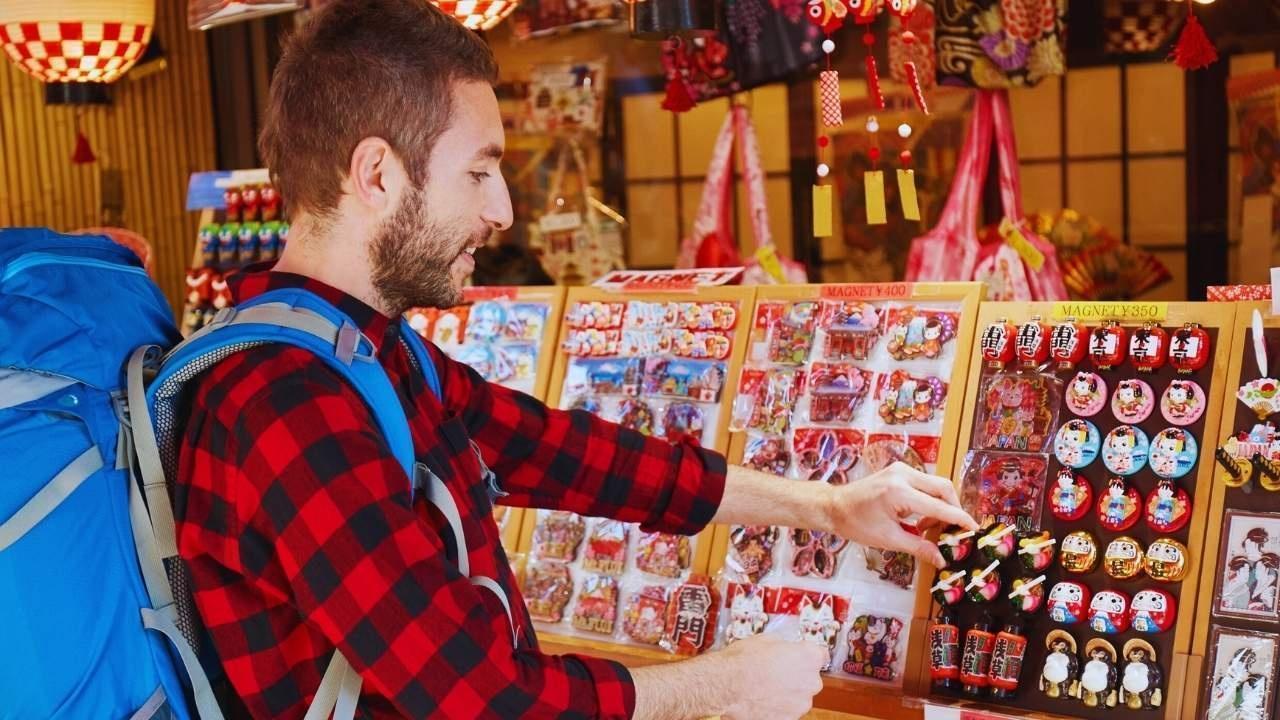
Post by : Anis Farhan
Each year, millions of tourists purchase a variety of souvenirs—from keychains and T-shirts to handicrafts and local art. Unfortunately, many of these items end up neglected, contributing to an alarming volume of waste made up of plastics and mass-produced goods that lack genuine cultural significance.
The rise of conscious travel is reshaping souvenir shopping. Today’s travelers seek meaningful keepsakes that embody stories, foster local artisans' work, and minimize environmental harm. Sustainable souvenirs fulfill this need, allowing people to cherish their travel experiences without compromising the destinations they explore.
By 2025, sustainability will no longer be an option but a standard in the travel industry. Thoughtful souvenir selection plays a crucial role in preserving cultural heritage, minimizing waste, and uplifting local economies.
A truly sustainable souvenir goes beyond being eco-friendly; it embodies thoughtfulness and respect for local cultures, supporting local economies while mitigating ecological footprints.
A sustainable souvenir is characterized by being:
This mindset shift encourages travelers to transition from impulse purchases to thoughtful collections—items that authentically represent the essence of a place.
Tourist markets are often flooded with mass-produced souvenirs that are convenient but come with unforeseen consequences:
While these souvenirs may seem appealing, they typically lack authentic cultural relevance and often break or fade quickly.
To support sustainability, travelers should look for merchandise that consistently upholds the principles of cultural respect and sustainability:
Items such as ceramics, textiles, and handmade soaps not only reflect local craftsmanship but also empower artisans dedicated to preserving their heritage.
Clothing and accessories crafted with care can serve both functional needs and aesthetic appeal, offering long-lasting alternatives to ordinary souvenirs.
Edible souvenirs, like spices and herbal teas, are a delicious way to bring home a taste of your travels while supporting local farmers.
Investing in local art provides a lasting memory that showcases the culture and stories of the region.
To identify genuine products, travelers should ask about the makers, observe craftsmanship, check material sources, and look for local certifications.
Opting for sustainable souvenirs helps foster stronger connections between travelers and local communities. It’s about purchasing items that tell a story while respecting cultural integrity. Let’s enrich our travels meaningfully!
This article serves informational purposes only and should not be interpreted as financial advice. Please follow local regulations regarding souvenir purchases.










Josh Kerr and Jakob Ingebrigtsen Set for 1,500m Rivalry Rematch
Josh Kerr and Jakob Ingebrigtsen will renew their 1,500m rivalry at the Ultimate Championship in Bud

PSG Coach Luis Enrique Urges Players to Step Outside Comfort Zone
PSG coach Luis Enrique says players must leave their comfort zone and keep improving as the club tar

China’s Tiangong Sets New 400m Record at Robot Olympics
China’s Tiangong robot sets a new 400m record at the Robot Olympics, beating a South African robot i

George Russell Wins Dutch GP Sprint, Boosts Mercedes Morale
George Russell wins the Dutch GP Sprint from pole as Mercedes teammate Kimi Antonelli extends his F1

Australia 50/3 After Bangladesh Bowled Out for 64 in Second Test
Australia reached 50/3 after Bangladesh were bowled out for 64 in the second Test, with Mitchell Sta

Jordan Burroughs Returns to Wrestling with 2028 Olympic Dream
Jordan Burroughs returns to wrestling with Real American Freestyle as the Olympic champion eyes a po