
You have not yet added any article to your bookmarks!
Join 10k+ people to get notified about new posts, news and tips.
Do not worry we don't spam!

Post by : Anis Farhan
The price of oil is rarely discussed at dinner tables, yet it plays an invisible role in deciding what appears on those tables. A surge in oil prices in distant markets does not stay there. It travels slowly but steadily into grocery bills, transport fares, electricity costs and even school fees. What begins as a number on an international trading screen eventually becomes a pressure point in household budgets.
For many families, rising fuel prices are the first visible sign of trouble. The petrol pump announces the bad news in glowing digits. But that is only the beginning. Transport costs creep up, delivery charges grow, and the cost of producing food rises quietly. Airlines increase fares. Bus operators adjust rates. Shopkeepers shrug and say suppliers have raised prices again.
Understanding how oil shocks move through the economy is important not just for economists but for everyday earners, small business owners and families trying to balance monthly expenses. Awareness gives power. When people understand why prices change, they make better financial choices. This article breaks down the invisible journey of oil from international markets into daily life and offers practical ways to adapt without panic.
An oil shock occurs when global oil prices rise sharply or suddenly. This can be due to conflicts, supply shortages, political decisions, trade restrictions, or natural disasters disrupting production. Sometimes even rumours can send prices soaring.
Oil is priced globally, not locally. A conflict far away can raise fuel prices across continents. A shipping issue in one region can squeeze supply everywhere. No country operates in isolation as far as oil is concerned.
Since oil is foundational to almost every industry, a rise in its cost affects much more than the fuel tank. It raises the cost of manufacturing, transporting and storing goods. This ripple effect spreads fast and wide.
Fuel prices are the most immediate casualty of oil shocks.
When crude oil becomes expensive, oil companies pass on the burden to consumers. Vehicle owners pay more per litre. Transport companies raise rates. Public transport adjusts fares.
Daily commuters feel the pinch instantly. Small Ubers, autos and delivery riders increase charges. People reconsider unnecessary trips. Some even change routes to save fuel.
Trucks ferry everything from vegetables to electronics. When diesel prices rise, freight rates climb. This translates into higher prices for products on store shelves.
Fuel acts like a tax every citizen pays, whether they own a vehicle or not.
Food inflation often shadows fuel inflation.
Farm machinery runs on fuel. Irrigation pumps burn diesel. Tractors plough with petrol power. When fuel costs rise, farming becomes expensive. Transporting crops to markets becomes costly.
Farmers pass these costs to buyers. Retailers add their margins. Consumers pay higher prices.
Plastic packaging is a byproduct of petroleum. When oil costs rise, packaging costs do too. Warehouses using fuel generators face higher electricity costs.
These operational expenses quietly inflate the price of daily essentials.
Oil and gas influence power supply in many regions.
Some power plants depend on petroleum products. When oil gets expensive, electricity production costs rise. Utility companies may adjust tariffs.
Cooking gas prices are tied to global energy markets. A spike in oil often means households pay more for gas cylinders.
What starts at international exchange floors reaches family kitchens fastest.
Cities feel oil inflation distinctly.
Public transport authorities face fuel expenses too. Long-distance services run on diesel or electricity generated from petroleum-based energy. Fare hikes often follow oil price jumps.
Bikes and scooters are prized for affordability. When fuel prices soar, daily commuting becomes expensive even for budget-conscious families.
Transport inflation touches students, workers and elderly citizens alike.
Aviation is fuel-hungry.
Aircraft fuel makes up a large part of operating expenses. When oil rises, airlines quickly raise fares to survive.
Suddenly, family trips become unaffordable. Visits get canceled. Business travel reduces. Tourism takes a hit.
Even those who do not fly feel the impact as logistics costs increase.
Services depend on goods, power and transport.
School operations use transport, electricity and supplies. Hospitals buy fuel-powered equipment and maintain energy-heavy infrastructure. Landlords face maintenance cost hikes.
Fees and rent rise as a result.
Mechanics pay more for lubricants, spare parts and electricity. Tailors pay more for materials transported over long distances.
What was once a small repair becomes expensive.
Oil-driven inflation is tricky. It rarely announces itself as oil-related.
Bills rise quietly. Restaurants increase prices. Courier charges creep up. Online platforms add fuel surcharges.
The consumer sees higher totals but not the root cause.
Most salaries do not rise with oil shocks.
Contracts and pay structures do not adjust overnight. Inflation hits fast. Wage growth lags.
This widens the gap between earnings and expenses, increasing stress.
Oil inflation does not hurt everyone equally.
Families spending most earnings on food and transport suffer the most. Small price changes hurt big.
Shops, food sellers and transport operators fight rising costs while customers resist price hikes.
Farming, transport and energy costs strain rural incomes first.
Authorities try to soften the blow.
Fuel taxes may be reduced temporarily.
Cooking gas or transport sectors may receive support.
A stable national currency helps lower imported oil costs.
Government actions, however, cannot erase global market pressure completely.
Preparation matters more than prediction.
Combine trips. Use public transport when possible. Share rides.
Update food, transport and utility expenses. Cut non-essential spending early.
Even small savings add resilience.
Price comparison prevents emotional spending when inflation hits.
Oil shocks affect emotions too.
Stockpiling rarely saves money and often leads to waste.
Understanding trends prevents panic.
Oil will not become stable overnight.
Renewable energy reduces dependence on oil.
Using energy wisely saves money even in low-price periods.
Families that understand inflation manage it better.
Oil shocks reveal one truth: no economy is isolated.
A rural farmer and an urban flyer both feel the echo of global markets. The difference lies not in wealth but in preparedness.
Smart habits transform vulnerability into control. Knowing how money moves turns helplessness into strategy.
Oil prices will rise and fall. Families cannot control global events, but they can control their response.
The journey from oil barrel to dinner table may be long, but its impact is instant. Awareness reduces fear. Planning reduces damage. Discipline delivers stability even in uncertainty.
In a world where energy drives life, understanding energy economics is no longer optional. It is essential.
This article is meant for informational purposes only and does not constitute financial, investment or policy advice. Readers should assess their personal circumstances and consult professionals before making financial decisions.







Josh Kerr and Jakob Ingebrigtsen Set for 1,500m Rivalry Rematch
Josh Kerr and Jakob Ingebrigtsen will renew their 1,500m rivalry at the Ultimate Championship in Bud

PSG Coach Luis Enrique Urges Players to Step Outside Comfort Zone
PSG coach Luis Enrique says players must leave their comfort zone and keep improving as the club tar

China’s Tiangong Sets New 400m Record at Robot Olympics
China’s Tiangong robot sets a new 400m record at the Robot Olympics, beating a South African robot i
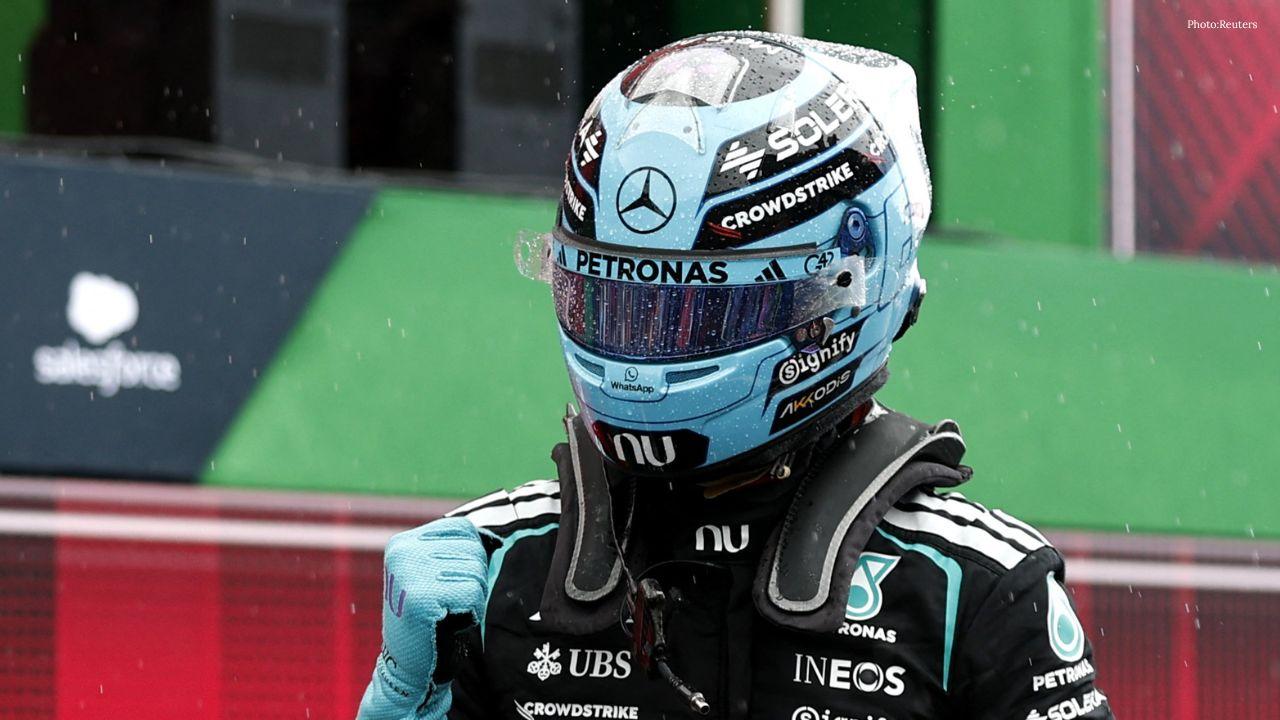
George Russell Wins Dutch GP Sprint, Boosts Mercedes Morale
George Russell wins the Dutch GP Sprint from pole as Mercedes teammate Kimi Antonelli extends his F1
Australia 50/3 After Bangladesh Bowled Out for 64 in Second Test
Australia reached 50/3 after Bangladesh were bowled out for 64 in the second Test, with Mitchell Sta

Jordan Burroughs Returns to Wrestling with 2028 Olympic Dream
Jordan Burroughs returns to wrestling with Real American Freestyle as the Olympic champion eyes a po

