
You have not yet added any article to your bookmarks!
Join 10k+ people to get notified about new posts, news and tips.
Do not worry we don't spam!
Post by : Shakul
A major shift is unfolding in global security as Germany and Japan begin to rethink their long-standing defence policies. Experts believe this transformation could be the most significant change in their military posture since the end of World War II. For decades, both nations followed a restrained approach rooted in pacifism, but today’s evolving geopolitical realities are pushing them toward a more assertive and self-reliant security strategy.
In the decades following World War II, both Germany and Japan adopted strict limitations on military expansion. Their national priorities focused heavily on economic development, industrial growth, and global trade. Security responsibilities were largely managed through alliances, particularly with the United States, which provided a protective umbrella while these nations concentrated on rebuilding and strengthening their economies.
However, the global security environment has changed significantly in recent years. Rising geopolitical tensions, regional conflicts, and shifting power dynamics have exposed vulnerabilities in this model. As a result, both countries are now reassessing their defence strategies, recognising that reliance on external powers alone may no longer be sufficient to guarantee long-term security.
Germany has taken a decisive step in this direction by committing to strengthening its military capabilities. The country aims to build one of the most advanced and capable conventional forces in Europe. This move is part of a broader effort to position Germany as a central pillar of European security, particularly in response to emerging threats within the region.
A key aspect of Germany’s strategy is its commitment to sustained defence spending. By aligning with NATO’s target of allocating at least 2 percent of its GDP to defence, Berlin is ensuring long-term investment in military modernisation. This includes improving technological capabilities, enhancing operational readiness, and building a more agile and responsive armed force.
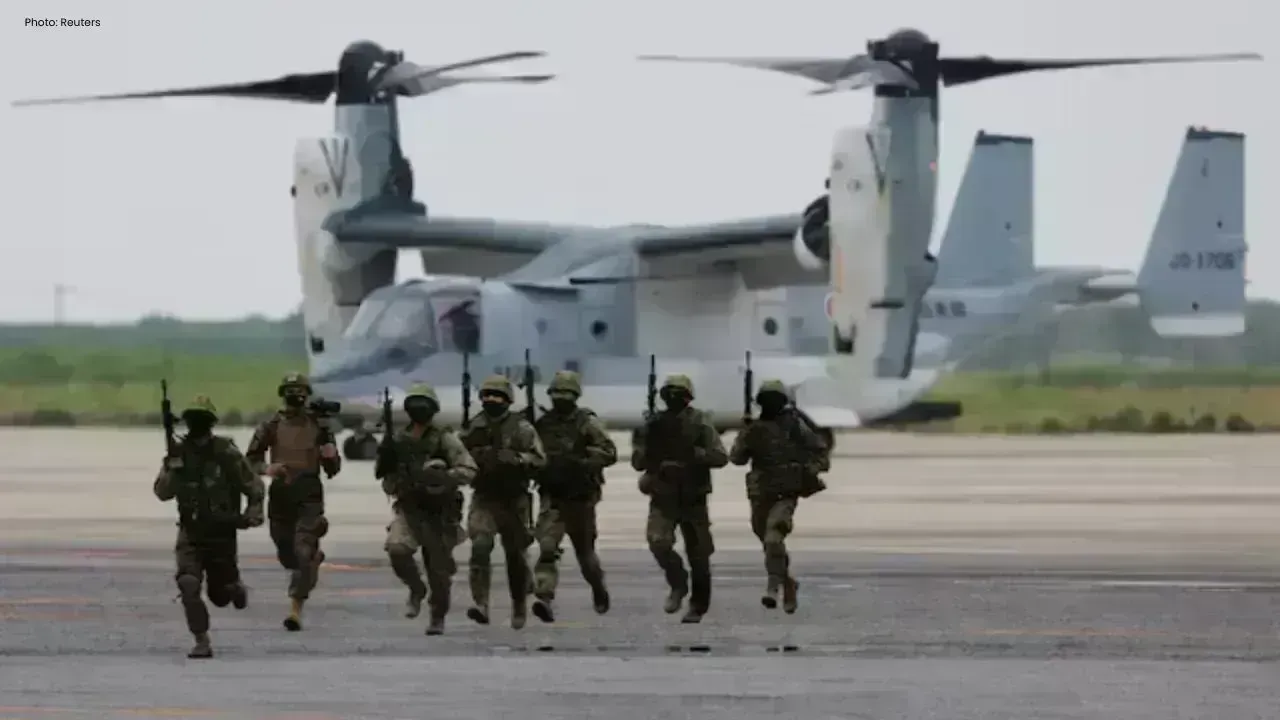
At the same time, Japan is undergoing a historic transformation in its defence policy. The government has decided to lift restrictions on the export of lethal weapons, a move that marks a clear departure from its post-war pacifist stance. This change allows Japan to actively participate in the global defence market and collaborate more closely with international partners.
Japan is also significantly increasing its defence budget and developing advanced military capabilities, including counterstrike options. These steps are largely driven by growing security concerns in the Indo-Pacific region, particularly related to China and North Korea. The country is also engaging in joint defence projects and strengthening alliances to enhance its strategic position.
Meanwhile, the role of the United States in global security is evolving. While Washington remains a dominant military power, it is increasingly encouraging its allies to take greater responsibility for their own defence. This shift reflects both strategic recalibration and domestic priorities, prompting countries like Germany and Japan to step up their military preparedness.
The growing military strength of these nations is reshaping the global balance of power. While these changes are intended to enhance national and regional security, they also raise concerns about rising militarisation and potential escalation of tensions. Experts warn that this evolving landscape could lead to new challenges, particularly in sensitive regions like Europe and East Asia, as the world moves toward a more complex and multipolar order.










PM Modi Pays Tribute to Mahatma Gandhi, Urges People to Support Khadi
PM Modi pays tribute to Mahatma Gandhi on Gandhi Jayanti and urges citizens to support Khadi and the

Amazon Seeks to Offload $8 Billion in Nvidia Chips to Investors
Amazon plans to move $8 billion in Nvidia chips to investors, using a new financing model to strengt

Samsung Raises Galaxy S26 Prices as Memory Chip Costs Rise
Samsung raises Galaxy S26 prices in South Korea as rising memory chip costs put pressure on smartpho

Lewis Hamilton Calls Singapore Grand Prix One of F1's Toughest Races
Lewis Hamilton discusses the demanding Singapore Grand Prix and brings Plus44 and Almave to Singapor

Denmark's Pandora Opens World's Largest Jewellery Factory in Vietnam
Pandora opens its largest jewellery factory in Vietnam, expanding global production, strengthening s

Gautam Gambhir Questions Batting-Friendly Pitches After India's Record ODI Chase
Gautam Gambhir questions batting-friendly ODI pitches after India’s record chase, calling for a bett

