
You have not yet added any article to your bookmarks!
Join 10k+ people to get notified about new posts, news and tips.
Do not worry we don't spam!
Post by : Mikael Ariff
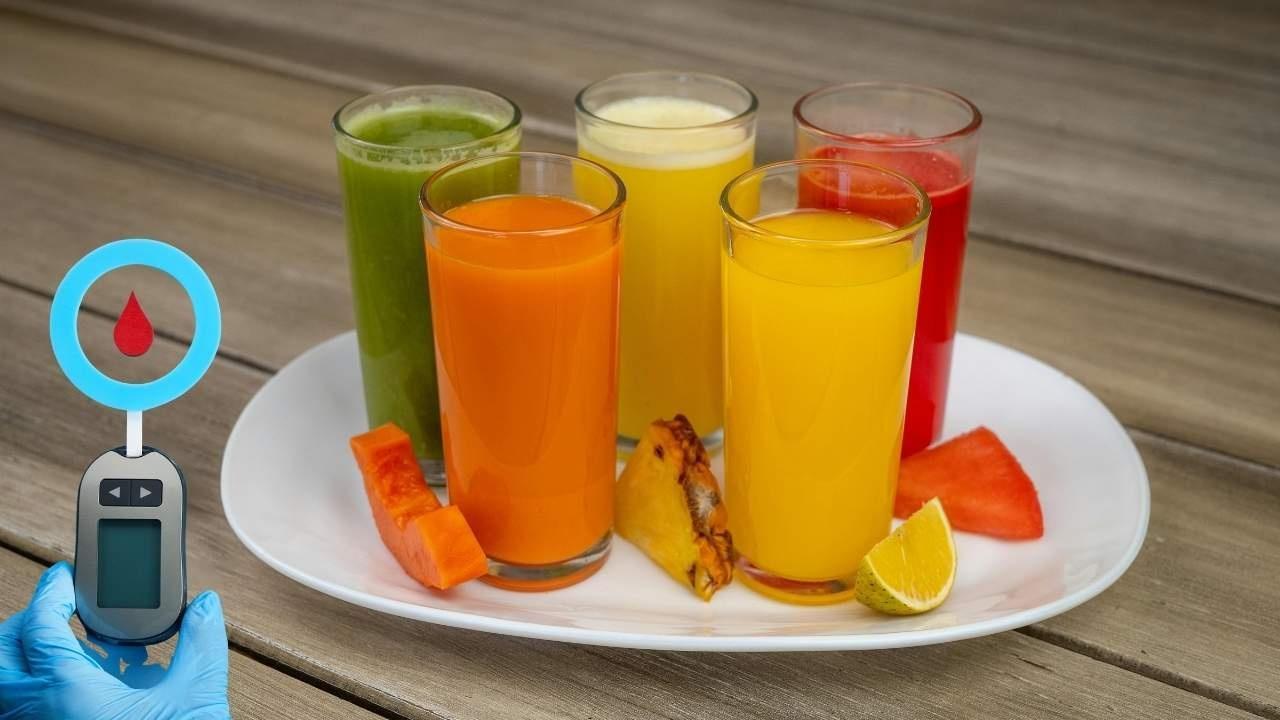
For those managing diabetes, selecting the right juice can be a challenging task. While juices, derived from fruits and vegetables, appear wholesome at face value, they can spike blood sugar levels faster than whole produce. This raises the question: Is juice a safe choice for me? If so, which types are suitable?
This straightforward guide simplifies the decision-making process, clearly indicating which juices can be integrated into a diabetic diet and which should be avoided.
Juices provide essential vitamins and minerals but are also laden with natural sugars. The juicing process strips away the fiber that normally regulates sugar absorption. Consequently, sugar floods into the bloodstream rapidly.
For diabetics, this sudden influx of sugars can lead to:
Significant blood glucose spikes
Fatigue or low energy
Dizziness
Intense thirst
Hunger returning shortly after consumption
This doesn’t mean that those with diabetes should abandon juice altogether. It simply underscores the importance of making wise selections, monitoring portion sizes, and choosing juices that minimize sugar spikes.
The following juices are deemed safer due to their lower sugar content and high nutritional value.
Vegetable juices rank as the top choice for diabetics, possessing minimal sugar content. Ideal options include:
Spinach
Cucumber
Tomato
Celery
These juices hydrate the body, contribute essential nutrients, and do not cause rapid blood sugar elevation. Enhancing flavors with lemon or ginger can be beneficial without adding sugar.
Bitter Gourd juice, known for its distinct taste, is an effective beverage for blood sugar regulation. It enhances insulin efficacy, and a small morning dosage can be advantageous.
Amla is rich in Vitamin C and supports pancreatic function, helping regulate sugar levels while also boosting immunity. Usually, a small glass diluted with water suffices.
A refreshing, low-sugar green juice can be concocted from:
Spinach
Lettuce
Cucumber
Mint
This blend aids hydration and stabilizes sugar levels.
Although watermelon has a sweet flavor, it has a high water content. Enjoy a small, diluted portion occasionally—portion control is essential.
Some juices may seem healthy but can induce rapid blood sugar spikes. They should be consumed sparingly or avoided.
Freshly squeezed orange juice carries a considerable amount of natural sugar. If consumed, limit the serving size considerably.
Without fiber, apple juice can quickly elevate blood sugar levels. Eating a whole apple is a safer alternative compared to its juice.
Being among the sweetest juices, grape juice can result in rapid sugar spikes, making it advisable for diabetics to steer clear of it.
Commercially available juices often contain:
Added sugars
Preservatives
Artificial flavors
These substances can be detrimental to diabetics and should be avoided.
Completely eliminating juice isn't necessary. Here are effective methods to enhance juice safety:
Mix juice with water to dilute sugar content
Limit serving sizes to half a cup
Add chia seeds for additional fiber
Consume juice with meals rather than on an empty stomach
Prepare fresh juice at home instead of purchasing ready-made
Savor juice slowly instead of consuming it all at once
Implementing these practices can help manage the speed at which sugar enters the bloodstream.
Generally, whole fruits are the superior choice. Their fiber content slows down sugar release, making them easier for diabetics to handle.
For instance:
Consuming an orange is acceptable
Drinking a glass of orange juice may not be
Fiber in whole fruits serves as a natural barrier against sugar spikes.
While juice consumption should be limited, it has its moments of utility: in cases of hypoglycemia (low blood sugar).
When blood sugar drops too low, a small serving of fresh juice can help restore balance, but this should occur during emergencies—never as a regular routine.
With cautious selections and controlled portions, juice can still be a part of a diabetic-friendly lifestyle. Vegetables juices are the safest bets, while sugary fruit juices should be minimized to maintain health.
The insights provided in this article are for informational purposes and should not replace professional medical advice. Each diabetic’s health requirements may differ, and tolerance for juice will vary from individual to individual. Always consult a healthcare provider, dietitian, or certified diabetes educator before altering any aspect of your diet or daily routine. The recommendations here are meant for awareness and should be followed under professional guidance when necessary.










PSG Coach Luis Enrique Urges Players to Step Outside Comfort Zone
PSG coach Luis Enrique says players must leave their comfort zone and keep improving as the club tar

China’s Tiangong Sets New 400m Record at Robot Olympics
China’s Tiangong robot sets a new 400m record at the Robot Olympics, beating a South African robot i

George Russell Wins Dutch GP Sprint, Boosts Mercedes Morale
George Russell wins the Dutch GP Sprint from pole as Mercedes teammate Kimi Antonelli extends his F1

Australia 50/3 After Bangladesh Bowled Out for 64 in Second Test
Australia reached 50/3 after Bangladesh were bowled out for 64 in the second Test, with Mitchell Sta

Jordan Burroughs Returns to Wrestling with 2028 Olympic Dream
Jordan Burroughs returns to wrestling with Real American Freestyle as the Olympic champion eyes a po

Lamborghini Catches Fire on Singapore's ECP, Causing Heavy Traffic
A Lamborghini caught fire on Singapore's ECP, causing heavy traffic and bus delays. No injuries were

