
You have not yet added any article to your bookmarks!
Join 10k+ people to get notified about new posts, news and tips.
Do not worry we don't spam!
Post by : Shakul
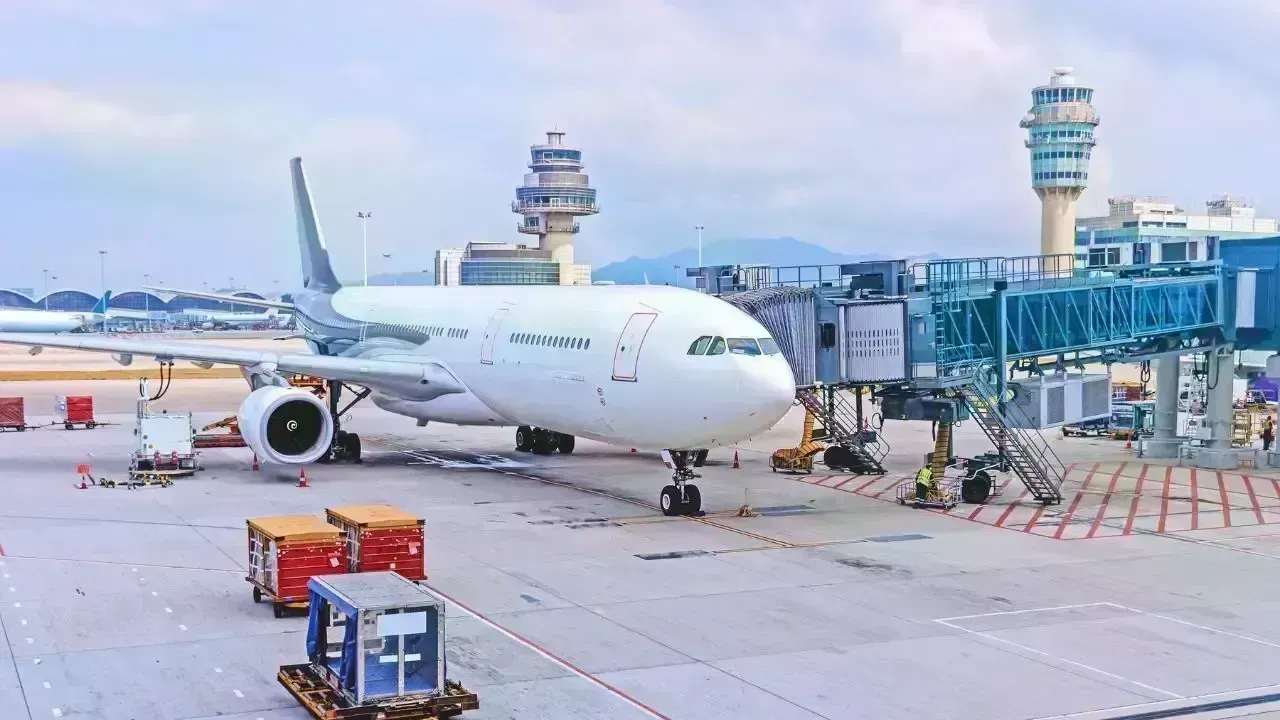
India’s two largest aviation hubs, Delhi and Mumbai, have announced major reductions in aviation turbine fuel taxes, providing significant financial relief to airlines struggling with rising global fuel prices and operational costs. The move is expected to improve airline profitability and strengthen the country’s aviation sector during a period of economic pressure.
Delhi reduced Value Added Tax on aviation turbine fuel from 25 percent to 7 percent for six months, while Maharashtra lowered Mumbai’s ATF tax from 18 percent to 7 percent for domestic flight operations. Industry experts believe the decision could significantly reduce fuel expenses for airlines operating large domestic and international networks.
The tax cuts come at a time when airlines are facing mounting pressure due to high crude oil prices, rupee weakness, supply chain disruptions, and increasing maintenance expenses. Aviation companies had warned the government that fuel costs were becoming unsustainable following rising geopolitical tensions in the Middle East.
According to airline industry estimates, fuel expenses recently surged to nearly 55 to 60 percent of total operating costs, compared to around 30 to 40 percent before the latest global energy crisis intensified. The sharp rise in prices followed disruptions near the Strait of Hormuz, one of the world’s most important oil shipping routes.
Delhi and Mumbai play a critical role in India’s aviation network as both airports handle massive passenger traffic and aircraft movement daily. Airlines purchase huge quantities of fuel at these airports, meaning even small tax reductions can generate major savings across operations.
Industry experts also said the reduced tax burden could change airline refuelling strategies. In recent years, several carriers practiced fuel tankering by carrying extra fuel from lower-tax airports to avoid expensive refuelling at metro hubs. Lower taxes may now reduce the need for such operational adjustments and improve fuel efficiency.
Despite the financial relief for airlines, passengers may not immediately see cheaper airfares. Aviation analysts explained that ticket prices are mainly driven by demand and aircraft availability rather than direct fuel savings. Ongoing aircraft shortages and strong travel demand continue to keep fares elevated on many routes.
The latest decision has also renewed calls from airlines to bring aviation turbine fuel under the Goods and Services Tax system. Industry leaders argue that including ATF under GST would simplify taxation, reduce operational complexity, and lower costs across the aviation sector in the long term.










PM Modi Pays Tribute to Mahatma Gandhi, Urges People to Support Khadi
PM Modi pays tribute to Mahatma Gandhi on Gandhi Jayanti and urges citizens to support Khadi and the

Amazon Seeks to Offload $8 Billion in Nvidia Chips to Investors
Amazon plans to move $8 billion in Nvidia chips to investors, using a new financing model to strengt

Samsung Raises Galaxy S26 Prices as Memory Chip Costs Rise
Samsung raises Galaxy S26 prices in South Korea as rising memory chip costs put pressure on smartpho

Lewis Hamilton Calls Singapore Grand Prix One of F1's Toughest Races
Lewis Hamilton discusses the demanding Singapore Grand Prix and brings Plus44 and Almave to Singapor

Denmark's Pandora Opens World's Largest Jewellery Factory in Vietnam
Pandora opens its largest jewellery factory in Vietnam, expanding global production, strengthening s

Gautam Gambhir Questions Batting-Friendly Pitches After India's Record ODI Chase
Gautam Gambhir questions batting-friendly ODI pitches after India’s record chase, calling for a bett

