
You have not yet added any article to your bookmarks!
Join 10k+ people to get notified about new posts, news and tips.
Do not worry we don't spam!
Post by : Mikael Ariff
While many advocate for raw vegetables as the healthiest option, experts warn that not all veggies are safe to consume without cooking. Some can lead to digestive issues, gas, or even foodborne illnesses when ingested in their raw state.
Interestingly, some vegetables yield greater nutritional benefits when cooked. Heat makes tough fibers easier to digest, eliminates natural toxins, and enhances vitamin absorption.
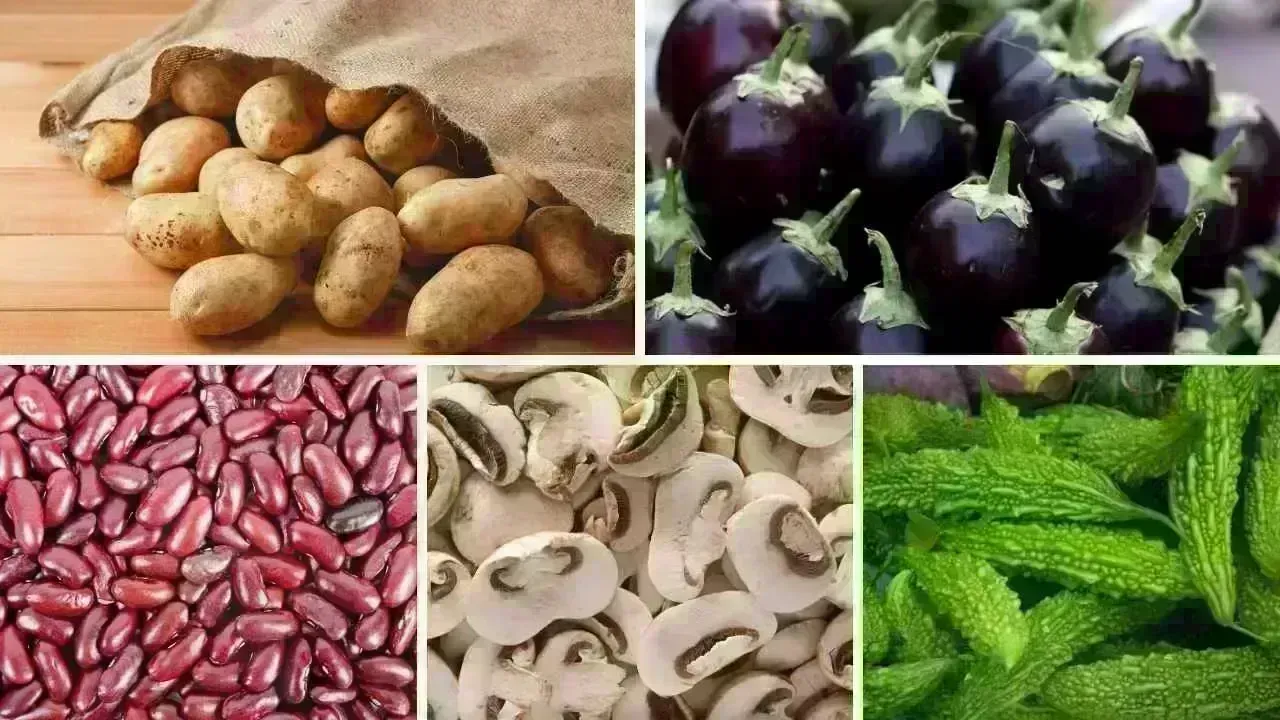
Here’s an overview of five vegetables you should refrain from eating raw and the reasons they are healthier when cooked.
Though they may seem innocuous, consuming potatoes raw can pose risks. Uncooked potatoes contain a toxin known as solanine, which is especially prevalent in green or immature potatoes.
May induce stomach cramps, vomiting, or nausea
Difficult starches make digestion challenging
Can result in gas and bloating
Higher solanine levels in green or sprouting types
Cooking methods like boiling, baking, or roasting reduce solanine levels while softening starch, rendering them safe and nutritious.
Eggplant contains minimal solanine, particularly when raw or under-ripened.
Can cause stomach irritation
Some individuals may experience headaches
Difficult to digest in its raw state
Bitter flavor may lead to discomfort
Cooking eggplant not only removes bitterness but also enhances its digestibility and boosts fiber and antioxidant levels.
Kidney beans are a nutritious choice, but only when cooked adequately. Raw or lightly cooked rajma contains the toxin phytohaemagglutinin.
Severe stomach pain can occur
Nausea and vomiting may arise
Possible diarrhea
Signs similar to food poisoning
Hospitalization may sometimes be necessary
Soaking rajma overnight and cooking thoroughly can eliminate this toxin, making them a valuable source of protein and minerals.
While some mushrooms are safe raw, most should be cooked as they contain compounds that breakdown only when heated.
Difficult to digest
May carry harmful bacteria
Certain raw compounds can irritate the gut
Cooking enhances nutrient absorption and flavor
Sautéed, grilled, or steamed mushrooms provide a safer and more nutritious alternative.
Known for its health benefits, raw bitter gourd can be harsh on the stomach for many people.
Can upset the digestive system
Potential to cause nausea or dizziness
Strong bitterness may be overwhelming
Some people may suffer from headaches
Cooking or steaming karela diminishes its bitterness and makes nutrients easier for the body to absorb.
Cooking these vegetables provides numerous advantages:
Neutralizes natural toxins
Easier digestion of fiber
Enhances nutrient accessibility
Eliminates harmful bacteria
Improves taste and texture
Contrary to common misconceptions, cooking does not strip nutrients entirely. Instead, it increases the safety and nutritional quality of these vegetables.
If you love raw salads or crunchy vegetables, the following are generally safe in their uncooked state:
Carrots
Cucumbers
Tomatoes
Lettuce
Cabbage
Bell peppers
Spinach (in moderation)
These veggies deliver essential vitamins, minerals, and hydration without straining the digestive system.
Nutritionists emphasize that while all vegetables are beneficial, it’s crucial to identify which ones require cooking. Eating certain raw vegetables may lead to digestive discomfort or inhibit nutrient absorption. Taking note of how your body reacts is essential—if a raw vegetable causes discomfort, it’s advisable to cook it instead.
Healthcare professionals also highlight the importance of proper food handling. Thoroughly washing vegetables and ensuring they are cooked correctly can prevent numerous health issues.
Raw vegetables are often promoted as the epitome of healthy eating, yet many should not be consumed uncooked. Potatoes, eggplant, kidney beans, mushrooms, and bitter gourd can cause digestive troubles and might pose safety risks when eaten raw. Cooking mitigates natural toxins, improves digestibility, and enhances nutritional value.
Understanding which vegetables require cooking can help boost your health and allow for enjoyable meal experiences without discomfort. Smart eating goes beyond selecting the right foods; it also involves proper preparation methods.
This article is intended for general informational purposes and should not replace professional medical advice. Individual tolerances may vary, and health conditions may influence reactions to raw or cooked vegetables. Consultation with a healthcare provider or nutritionist is recommended before making significant dietary changes. Always cook vegetables appropriately when required, following expert guidance for safe and healthy eating practices.










Josh Kerr and Jakob Ingebrigtsen Set for 1,500m Rivalry Rematch
Josh Kerr and Jakob Ingebrigtsen will renew their 1,500m rivalry at the Ultimate Championship in Bud

PSG Coach Luis Enrique Urges Players to Step Outside Comfort Zone
PSG coach Luis Enrique says players must leave their comfort zone and keep improving as the club tar

China’s Tiangong Sets New 400m Record at Robot Olympics
China’s Tiangong robot sets a new 400m record at the Robot Olympics, beating a South African robot i

George Russell Wins Dutch GP Sprint, Boosts Mercedes Morale
George Russell wins the Dutch GP Sprint from pole as Mercedes teammate Kimi Antonelli extends his F1

Australia 50/3 After Bangladesh Bowled Out for 64 in Second Test
Australia reached 50/3 after Bangladesh were bowled out for 64 in the second Test, with Mitchell Sta

Jordan Burroughs Returns to Wrestling with 2028 Olympic Dream
Jordan Burroughs returns to wrestling with Real American Freestyle as the Olympic champion eyes a po

