
You have not yet added any article to your bookmarks!
Join 10k+ people to get notified about new posts, news and tips.
Do not worry we don't spam!
Post by : Shakul
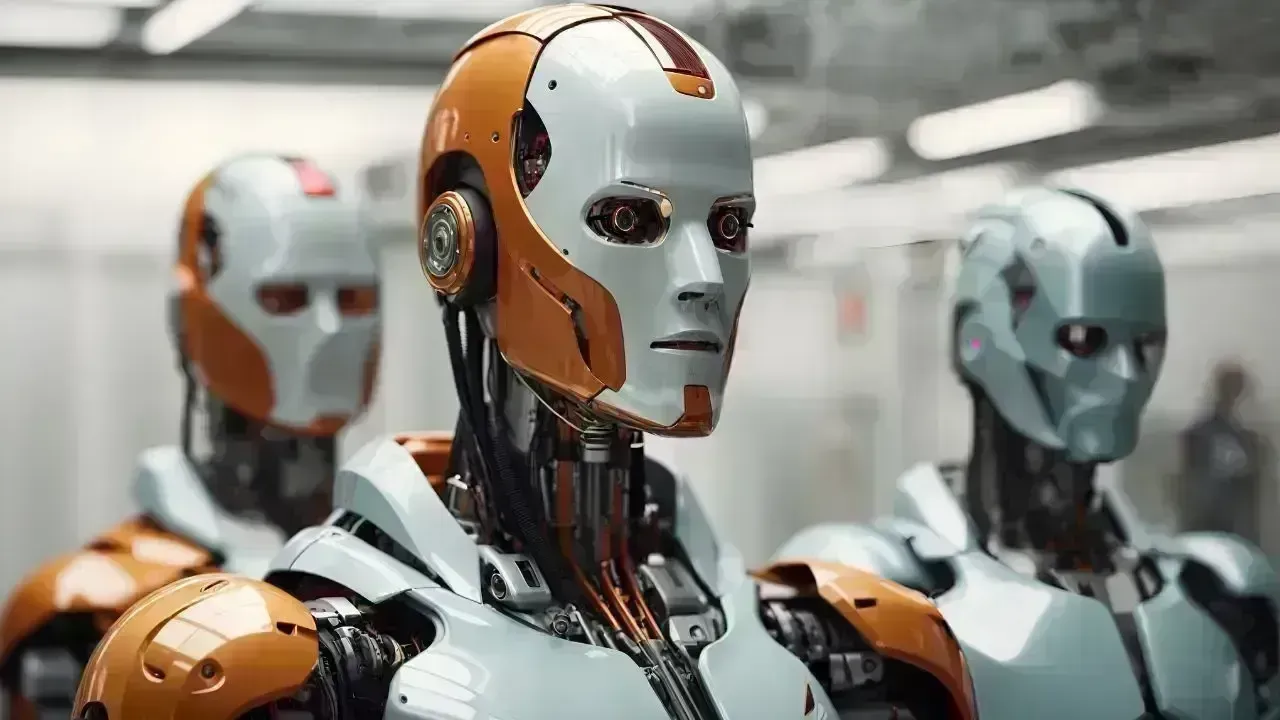
The use of advanced robotic systems in Ukraine is rapidly changing the way modern wars are fought. These machines, powered by artificial intelligence and remote control technologies, are becoming a key part of military operations, marking a major shift in global warfare strategies.
Recent developments highlighted by Volodymyr Zelenskyy show that unmanned systems are now capable of performing complex missions on the battlefield. In some cases, enemy positions have been captured using only robotic platforms and drones, without direct human involvement on the ground.
These robotic systems include ground vehicles that can carry weapons, transport supplies, and even evacuate injured soldiers. Their role has expanded significantly from earlier uses such as bomb disposal and reconnaissance to more active participation in combat operations.
Experts say that this change is part of a larger technological transformation. The introduction of AI into warfare is being described as a new phase in military evolution, similar to past shifts caused by the development of aircraft and nuclear weapons.
One of the most important aspects of this development is the growing role of artificial intelligence in decision-making. While most current systems still require human operators, AI is increasingly being used to identify targets, analyze data, and assist in planning attacks. This raises serious questions about how much control should be given to machines.
The debate over autonomous weapons has intensified in recent years. Concerns have been raised about systems that can select and engage targets without human intervention. Critics argue that such technologies could lead to unintended consequences and increase the risk of civilian harm.
At the same time, these technologies also offer certain advantages. Robotic systems can operate in dangerous environments, reduce the risk to soldiers, and carry out tasks more quickly and efficiently. In Ukraine, they have been used to deliver supplies and support troops in difficult conditions.
However, the rapid development of these systems has outpaced global regulations. There is currently no clear international framework governing the use of AI in warfare. This has led to calls for stronger rules and agreements to ensure that such technologies are used responsibly.
Researchers and policymakers emphasize the need to maintain human oversight in military operations. Ensuring that humans remain involved in critical decisions is seen as essential to preventing misuse and maintaining ethical standards.
Overall, the situation in Ukraine is being viewed as a testing ground for the future of warfare. As technology continues to advance, the world faces an important challenge in balancing innovation with responsibility, ensuring that new tools of war do not lead to greater risks for humanity.










PM Modi Pays Tribute to Mahatma Gandhi, Urges People to Support Khadi
PM Modi pays tribute to Mahatma Gandhi on Gandhi Jayanti and urges citizens to support Khadi and the

Amazon Seeks to Offload $8 Billion in Nvidia Chips to Investors
Amazon plans to move $8 billion in Nvidia chips to investors, using a new financing model to strengt

Samsung Raises Galaxy S26 Prices as Memory Chip Costs Rise
Samsung raises Galaxy S26 prices in South Korea as rising memory chip costs put pressure on smartpho

Lewis Hamilton Calls Singapore Grand Prix One of F1's Toughest Races
Lewis Hamilton discusses the demanding Singapore Grand Prix and brings Plus44 and Almave to Singapor

Denmark's Pandora Opens World's Largest Jewellery Factory in Vietnam
Pandora opens its largest jewellery factory in Vietnam, expanding global production, strengthening s

Gautam Gambhir Questions Batting-Friendly Pitches After India's Record ODI Chase
Gautam Gambhir questions batting-friendly ODI pitches after India’s record chase, calling for a bett

