
You have not yet added any article to your bookmarks!
Join 10k+ people to get notified about new posts, news and tips.
Do not worry we don't spam!
Post by : Rameen Ariff
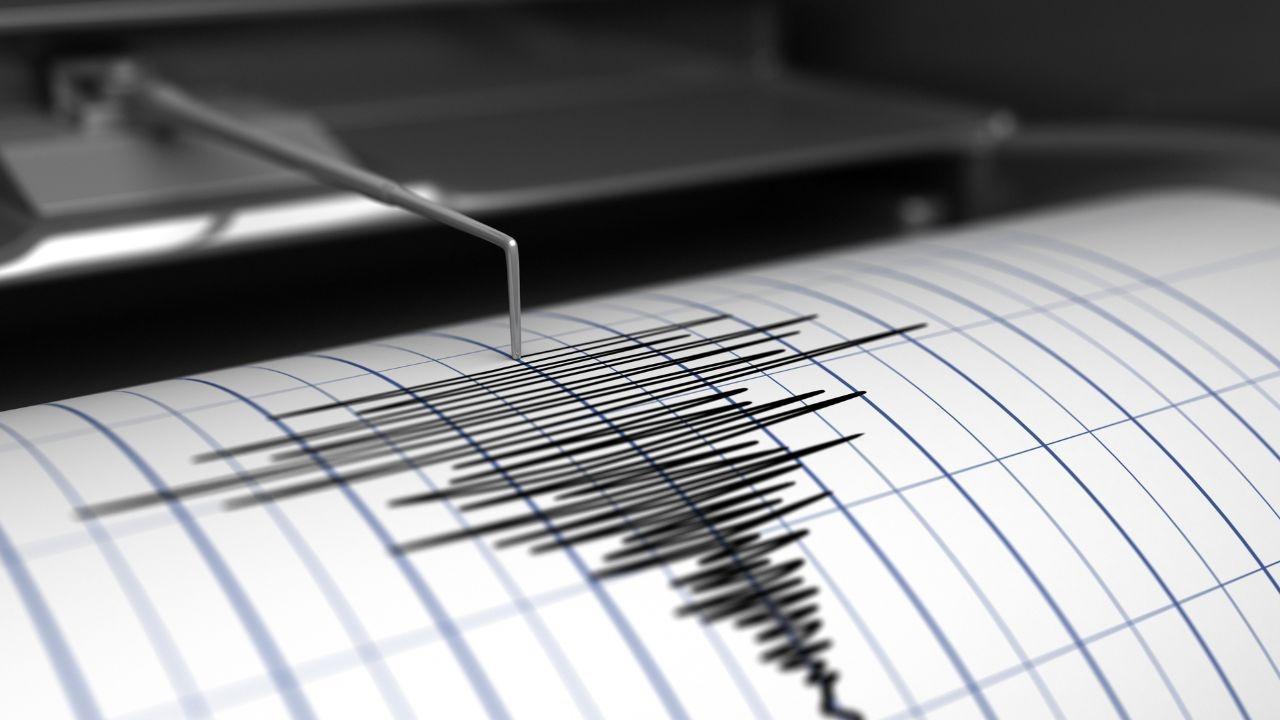
A significant earthquake measuring 4.9 on the Richter scale struck China on Sunday evening, sending tremors across multiple areas and alarming residents. The National Center for Seismology (NCS) reported that the quake occurred at a depth of 130 kilometers, with impacts felt widely in the vicinity. The NCS confirmed the details on social media, noting, “EQ of M: 4.9, On: 26/10/2025 20:32:59 IST, Lat: 29.15 N, Long: 100.00 E, Depth: 130 Km, Location: China.” This event adds to ongoing discussions regarding the country's susceptibility to seismic activities.
Just last month, Xinjiang experienced a 4.2 magnitude quake that struck at a depth of 50 kilometers. Experts indicate that shallower quakes tend to cause more destruction due to more intense ground shaking. This recent earthquake serves as a poignant reminder of China’s precarious position along significant seismic belts—the circum-Pacific and circum-Indian regions—making it one of the most seismically active nations worldwide. Positioned between the Pacific, Indian, and Philippine tectonic plates, China's seismic zones are under constant pressure.
Historically, China has faced catastrophic earthquakes, with over 800 recorded at a magnitude of 6 or more since the 20th century. As reported by the Science Museums of China, more than 550,000 lives have been lost due to seismic events in the country, equating to more than half of global earthquake-related fatalities. Regions such as Sichuan, Yunnan, and Gansu are particularly susceptible to these natural disasters. The 4.9-magnitude quake further compounds this somber legacy, highlighting the critical need for enhanced disaster preparedness and public safety practices.
As communities across China begin to evaluate the consequences, seismologists are actively monitoring aftershocks and assessing ongoing risks. The earthquake underscores not only the fragile geographical makeup of the region but also the resilience of its population, who have persistently rebuilt their lives amid natural disasters. For many, the tremors served as a stark reminder that, despite advances in technology, the force of nature remains unyielding.










PM Modi Pays Tribute to Mahatma Gandhi, Urges People to Support Khadi
PM Modi pays tribute to Mahatma Gandhi on Gandhi Jayanti and urges citizens to support Khadi and the

Amazon Seeks to Offload $8 Billion in Nvidia Chips to Investors
Amazon plans to move $8 billion in Nvidia chips to investors, using a new financing model to strengt

Samsung Raises Galaxy S26 Prices as Memory Chip Costs Rise
Samsung raises Galaxy S26 prices in South Korea as rising memory chip costs put pressure on smartpho

Lewis Hamilton Calls Singapore Grand Prix One of F1's Toughest Races
Lewis Hamilton discusses the demanding Singapore Grand Prix and brings Plus44 and Almave to Singapor

Denmark's Pandora Opens World's Largest Jewellery Factory in Vietnam
Pandora opens its largest jewellery factory in Vietnam, expanding global production, strengthening s

Gautam Gambhir Questions Batting-Friendly Pitches After India's Record ODI Chase
Gautam Gambhir questions batting-friendly ODI pitches after India’s record chase, calling for a bett

