
You have not yet added any article to your bookmarks!
Join 10k+ people to get notified about new posts, news and tips.
Do not worry we don't spam!
Post by : Maya Rahman
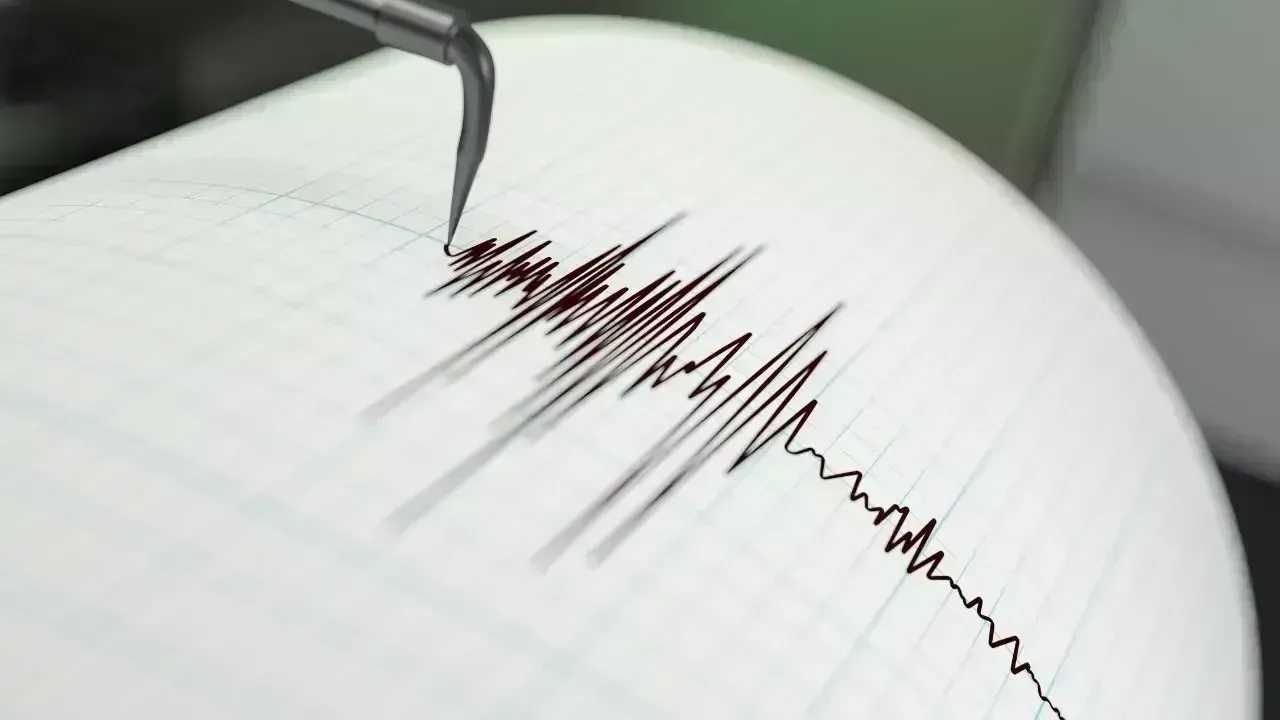
On Tuesday, December 2, 2025, at 7:26 AM IST, a mild earthquake measuring 4.2 on the Richter scale struck the Bay of Bengal. The tremor originated at a depth of 35 km, located at coordinates 20.56°N and 92.31°E, as reported by the National Centre for Seismology (NCS). Fortunately, there have been no recorded damages or injuries, and the authorities are actively monitoring for any subsequent aftershocks.
Due to the movement of the Indian and Burmese tectonic plates beneath the ocean, the Bay of Bengal is known for its seismic activity. Although the region does face periodic moderate tremors, it is less volatile compared to areas like the Pacific “Ring of Fire.” Earthquakes of a moderate scale, including this latest 4.2 event, are fairly typical and tend to pose minimal risks to inhabitants along the coasts. Past significant events such as the 2004 Sumatra-Andaman quake remind us of the necessity for ongoing vigilance.
The NCS noted that the earthquake’s depth minimized surface shaking, reducing risk levels for coastal communities. They continue to provide updates via social media like X (previously Twitter) to keep the community informed and mitigate panic. This quake is part of broader seismic activity recorded in 2025, which included a 5.1 magnitude tremor near the Andaman and Nicobar Islands, all without considerable impact.
Experts highlight that even minor quakes underscore the need for preparedness. Coastal communities are urged to establish emergency protocols, and authorities must continue to reinforce early warning systems and disaster-resilient infrastructure. Initiatives focusing on education and awareness regarding earthquake safety are vital for minimizing risks and safeguarding lives.
This incident illustrates the importance of scientific monitoring and communication in educating the public about natural dangers. By disseminating precise and timely information, authorities can alleviate unnecessary anxiety while enhancing community readiness. Residents should remain aware, adhere to safety measures, and ensure their homes and buildings are earthquake-resistant.
Though this recent quake in the Bay of Bengal was moderate and left no damage, it serves as a timely reminder of nature's capricious behavior. Continued vigilance, scientific scrutiny, and community resilience are crucial to safely coexist with the seismic realities in this region.










APEC Members Emphasise Safe and Responsible Use of Artificial Intelligence
APEC members discuss responsible AI use, digital innovation and data governance as China and the US

Union of European Clubs Challenge UEFA and EFC Over EU Competition Rules
UEC files an EU competition complaint against UEFA and EFC, challenging club representation, governa

Mohammed Shami Retires From Test Cricket, Eyes White-Ball Career
Mohammed Shami retires from Test cricket after 13 years, with 229 wickets. He will continue playing

Singapore Warns Users About Privacy and Security Risks of AI Agents
Singapore warns users about AI agent security risks, data privacy, online scams and unauthorised acc

Chris Lynn Completes One-Month Ban After Positive Cocaine Test
Australian cricketer Chris Lynn completes a one-month ban after a positive cocaine test during the T

Djokovic Eyes Strong Season Finish as Health Improves Ahead of Paris Masters
Novak Djokovic reports improved health and performance as he targets a strong Paris Masters finish a